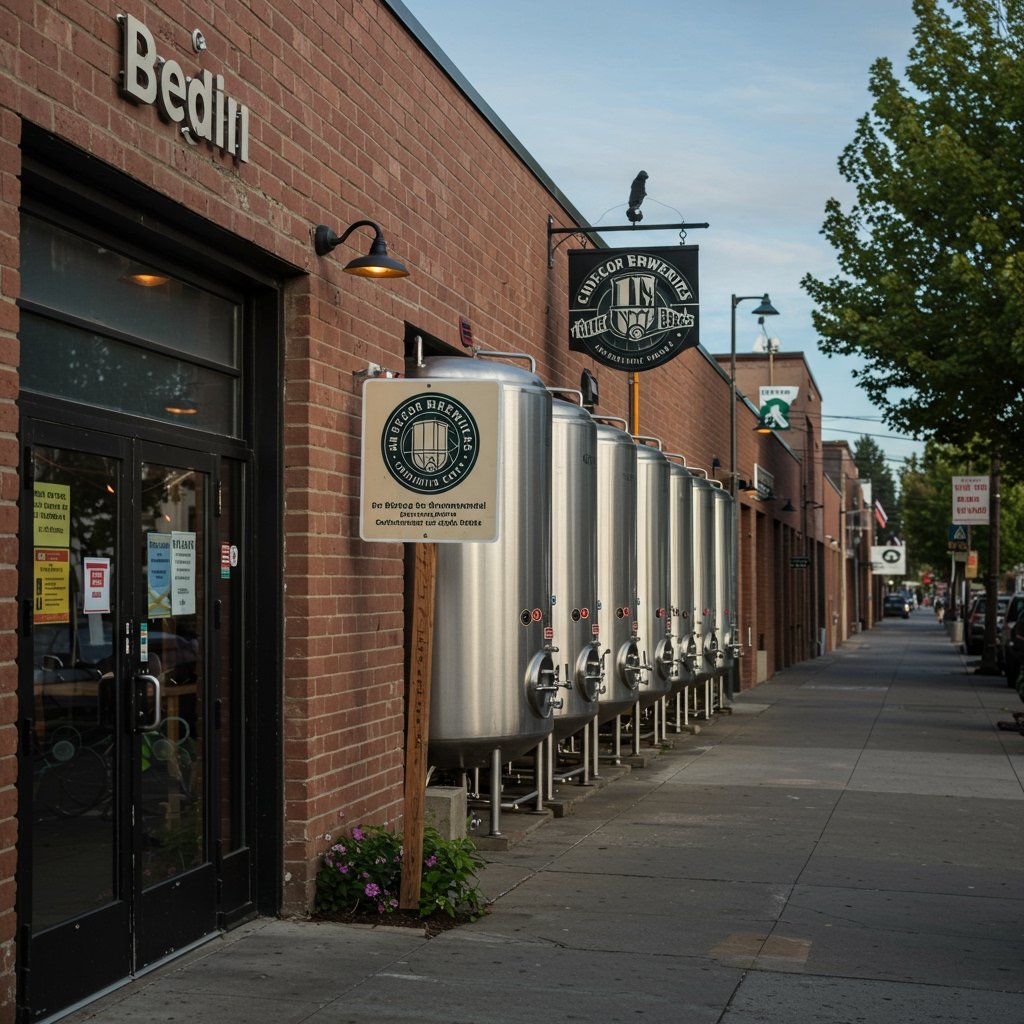
The year 2025 marked a significant comeback for pilsners, heralding a true **Pilsner Renaissance**. This classic beer style saw renewed popularity, with major beer competitions celebrating its resurgence and reaffirming the importance of **pilsner brewing skill**. Elite pilsners were brewed across the globe, and craft breweries now widely feature this beer, contributing to the exciting **craft beer resurgence**. This represents a major shift, as pilsners were less common in recent years. While the beer industry faced challenges and sales declined overall, with younger drinkers showing waning interest, pilsners emerged as a strong point, indicating a robust **pilsner beer market**. This news highlights an exciting trend within the pilsner beer resurgence, proving the enduring appeal of **sessionable beers**.
The 2025 Pilsner Renaissance: Global Triumph in Global Beer Competitions
Top beer competitions recognized pilsner excellence during the 2025 Pilsner Renaissance. The World Beer Cup, Great American Beer Festival, and U.S. Beer Open were key events. These events awarded medals to many pilsners, showcasing exceptional **pilsner brewing skill**. Breweries from across the U.S. were honored. West Coast breweries showed strong performances. Gold medals also went to beers from Maine and Michigan. Ohio and Minneapolis also saw wins. Furthermore, international breweries impressed judges. Guatemala and Japan earned top awards. These results showcase pilsner’s global reach, a hallmark of the **Pilsner Renaissance**.
Pilsner Brewing Skill on Display: The Essence of the Pilsner Renaissance
Pilsners are often seen as a benchmark, testing a brewer’s true skill. Imperfections are hard to hide in this style, and crisp, clean flavors require precision. Dow Scoggins, founder of the U.S. Open Beer Championship, noted this. He stated that brewing a great pilsner takes time, and flaws are difficult to conceal. “The better the pilsner, the better the brewer,” he added. This makes pilsner categories closely watched, as they are favorites for consumers and brewers alike, underscoring the importance of **pilsner brewing skill**. The U.S. Beer Championship saw over 8,000 entries, with pilsner categories being highly competitive during this **Pilsner Renaissance**.
Notable Pilsner Winners and Styles in the Pilsner Renaissance
Several breweries earned gold medals during the **Pilsner Renaissance**. Haha Pils from Arbeiter Brewing Co. in Minneapolis won, honored in the German-style category. Atlas Brew Works in Washington, D.C. won for its American-Style Pilsner, Bullpen. In the U.S. Beer Open, gold winners came from Guatemala and California. Russian River Brewing in California won for STS Pils. Yokohama Bay Brewing in Japan received an award for Bay Pilsner. The World Beer Cup also recognized Japanese breweries. For instance, a Bohemian-style brewery in Japan received top honors. Additionally, pFriem Family Brewers in Hood River, Oregon, earned gold for their Cold IPA in the Hoppy Lager category. This beer news highlights regional diversity within the **Pilsner Renaissance**.
A Resurgence in Craft Beer: The Pilsner Beer Resurgence and the Pilsner Renaissance
Pilsners have become a staple, now a standard offering at most craft breweries. This is a significant change from the late 2010s, showcasing the **craft beer resurgence**. Consumers are rediscovering pilsners and appreciate the style’s unique qualities. In fact, the global pilsner beer market is growing, projected to increase by 12.1% annually. This growth is driven by **modern pilsner innovation** and regional style diversity. Additionally, health-conscious preferences matter, contributing to the overall pilsner beer resurgence and the ongoing **Pilsner Renaissance**.
The Future of Pilsners: Embracing the Pilsner Renaissance
The trend towards lighter, **sessionable beers** continues, and pilsners fit this perfectly with their refreshing, clean flavors. Some breweries explore hoppy pilsners, a style that blends traditional crispness with complex hop aromas often found in IPAs. This **modern pilsner innovation** appeals to many drinkers. Furthermore, the market sees growth, and traditional pilsners are also appreciated as brewers refine classic recipes, demonstrating excellent **pilsner brewing skill**. This dedication to quality defines the modern pilsner. The future looks bright for this beloved beer, which remains a testament to brewing mastery and the ongoing **Pilsner Renaissance**.