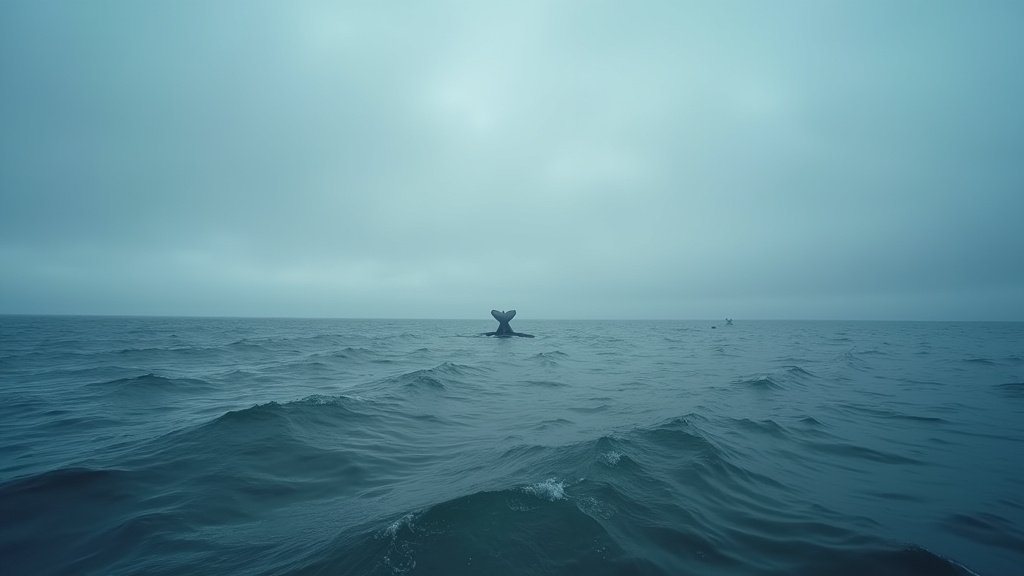
The breathtaking natural phenomenon of Oregon’s annual gray whale migration is set to captivate onlookers once again with the return of Whale Watch Week. From March 21 to March 29, 2026, the Oregon coast will serve as a front-row seat to one of nature’s most impressive journeys as thousands of gray whales travel north towards their summer feeding grounds in Alaska. This event provides a unique opportunity for people to witness these magnificent creatures without the need for a boat, as many whales pass surprisingly close to shore.
A Coastline Alive with Migration
Each spring, gray whales embark on their extensive northbound migration, departing from their wintering grounds in the warm lagoons of Baja California. While the migration spans several months, the period of Whale Watch Week is considered a peak time, offering a heightened chance of sightings. This year, an estimated 13,000 gray whales are expected to pass Oregon’s shores. While the southbound migration in winter sees higher hourly counts, the spring migration often features whales traveling at a slower pace, sometimes with calves in tow, providing a more intimate viewing experience. Interestingly, approximately 200 gray whales deviate from the main migration route to spend their summer feeding along the Oregon coast.
Expert-Guided Viewing Opportunities
To enhance the experience, Oregon State Parks will deploy trained volunteers and park rangers at 15 designated prime viewing locations along the coast. These knowledgeable individuals will be available daily from 10 a.m. to 1 p.m. to assist visitors in spotting whales, answering questions, and sharing insights about the marine mammals. The Whale Watching Center in Depoe Bay will also be open from 10 a.m. to 4 p.m., offering interactive exhibits and panoramic ocean views, with binoculars provided for visitors.
Understanding the Gray Whale Population
While the sight of migrating whales is a cause for celebration, recent data suggests a decline in the gray whale population. Despite NOAA declaring an end to an Unusual Mortality Event in 2023, new estimates from the winter of 2025 indicate the lowest population numbers since the 1970s. Current NOAA models estimate the population to be between 11,700 and 14,500 whales. This decline has been linked to various factors, including environmental changes and threats from fishing industries.
Planning Your Whale Watching Adventure
Visitors planning to attend Whale Watch Week are advised to dress appropriately for the coastal weather, which can be unpredictable. Following beach safety rules and being aware of tide schedules is also crucial. Several prime viewing locations are highlighted, including Fort Stevens State Park, Neahkahnie Mountain Overlook, Cape Meares Lighthouse, Boiler Bay State Scenic Viewpoint, and the Whale Watching Center in Depoe Bay, among others. Sharing sightings on social media using hashtags like #OregonStateParks and #ORWhaleWatch is encouraged.
FAQ: People Also Ask
What are the best times to see gray whales migrating off the Oregon coast?
The primary whale watching seasons along the Oregon coast are during the southward migration in winter (late December to early January) and the northward migration in spring (late March to late March/early April). Whale Watch Week events are scheduled during these peak times to maximize viewing opportunities.
Why are gray whales migrating?
Gray whales migrate to take advantage of different environments for breeding and feeding. They travel from their summer feeding grounds in the Arctic to warmer, shallow waters off the coast of Baja California, Mexico, for the winter to give birth and nurse their young. The spring migration is their journey back north to Alaska and the Arctic.
What should I bring for whale watching on the Oregon coast?
It is recommended to bring binoculars for a better viewing experience, as whales are often spotted several miles offshore. Dressing in layers of warm, waterproof clothing is essential due to the unpredictable coastal weather. Additionally, bringing a checklist of safety tips and tide schedules can enhance your visit.