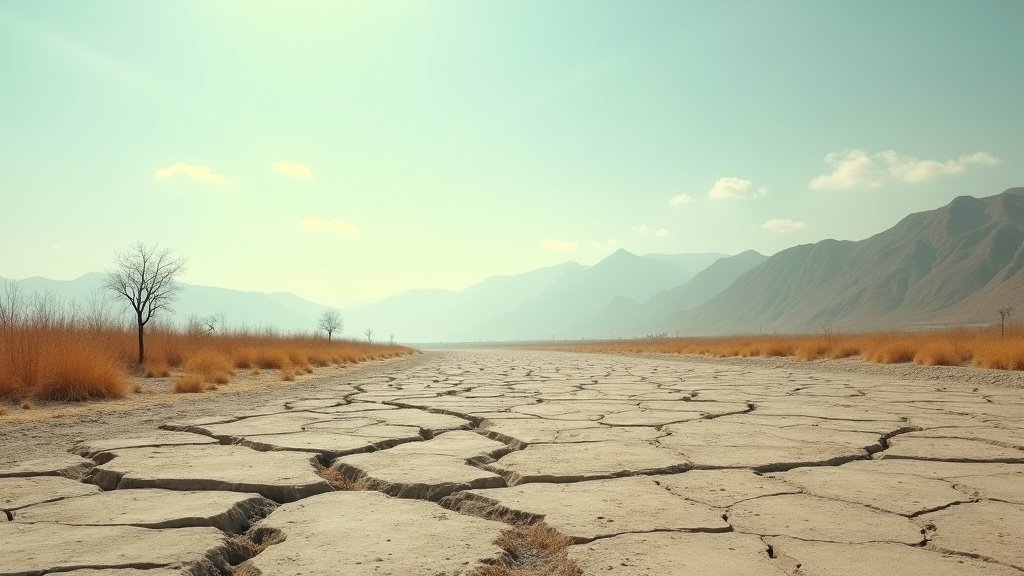
The **Oregon Snowpack Crisis** is a significant and worsening issue, with a persistent snowpack deficit continuing despite recent precipitation events. Snow levels are critically low across most major basins, fueling deep concerns about the state’s future water availability and underscoring the severity of the **Oregon Snowpack Crisis**. Oregon’s snowpack is struggling profoundly, beginning the year far below historical averages and contributing significantly to the ongoing **Oregon Snowpack Crisis**.
Oregon Snowpack Crisis: Basins Falling Critically Short of Normal
As of January 11, 2026, ten of Oregon’s twelve major basins reported less than 50% of their average snow-water-equivalent (SWE). This median is based on the 1991-2020 period. Only two basins managed to stay just above this 50% mark, indicating the widespread nature of the **Oregon Snowpack Crisis**. One region, the Owyhee Basin, was critically low at 25% of its median SWE, a stark indicator of the profound **Oregon Snowpack Crisis**. Overall statewide SWE on January 1 was the second lowest recorded since 1981, and many SNOTEL stations reported record low SWE for early January, further exacerbating the **Oregon Snowpack Crisis**.
A Storm Offers Little Respite from the Oregon Snowpack Deficit
A significant storm swept through Oregon in early January, bringing some much-needed snow and improving conditions from earlier dire lows. However, this winter storm impact was not enough to erase the substantial deficits, and the **Oregon Snowpack Crisis** continued. Warm temperatures followed the storm, and sunny conditions were forecast for most of the state. This weather pattern began melting the new snow, and snowmelt is expected to continue. Warm mountain temperatures are a major factor contributing to the **Oregon Snowpack Crisis**. For example, Government Camp near Mt. Hood was predicted to see temperatures above 50 degrees Fahrenheit, rapidly melting existing snowpack and worsening the low snow water equivalent.
The Root Cause of the Oregon Snowpack Crisis: Warmth and Rain
Abnormally warm temperatures have plagued Oregon, a primary driver of the **Oregon Snowpack Crisis**. This trend began in October 2025 and continued through December. Most precipitation fell as rain instead of snow, a critical issue for the **Oregon Snowpack Crisis**, even at higher elevations. This rain vs snow pattern inhibits snow accumulation. Rain at lower and mid-elevations melts any early snow, contributing to the low snow water equivalent. Dry periods in November and early December also depleted conditions, worsening the **Oregon Snowpack Crisis**. The lack of consistent, cold snowfall is particularly problematic for Oregon agriculture water supplies and the state’s overall water resources.
Widespread Implications of the Oregon Snowpack Crisis
Low snowpack directly contributes to drought conditions across Oregon, and this low snowpack deficit is a central component of the **Oregon Snowpack Crisis**. Snowpack acts as a vital natural reservoir, storing water throughout winter, which then feeds streams and rivers in spring and summer. Farmers and ranchers rely on this meltwater for irrigation, and hydropower generation is also affected by the **Oregon Snowpack Crisis**. Ecosystems and fish populations depend on steady flows, and earlier low summer flows are a direct consequence of the **Oregon Snowpack Crisis**. This could lead to earlier water use regulations, highlighting the broader oregon water shortage. Recreation is also impacted by the **Oregon Snowpack Crisis**. Ski resorts struggle to open, and many ski areas face limited terrain. The Eagle Cap Extreme Sled Dog Race was canceled due to insufficient snow, a symptom of the broader **Oregon Snowpack Crisis**.
A Precarious Outlook Amidst the Oregon Snowpack Crisis
The forecast offers little immediate relief from the **Oregon Snowpack Crisis**. Dry and warm temperatures oregon are expected to persist. This continued lack of precipitation is concerning and directly impacts the severity of the **Oregon Snowpack Crisis**, meaning the snowpack deficit is unlikely to be fully recovered. Oregon’s water supply for the coming year faces significant challenges due to the **Oregon Snowpack Crisis**. Officials and residents monitor the situation closely. The coming weeks are critical for potential snow accumulation, but current trends suggest continued struggle with the **Oregon Snowpack Crisis**. This news impacts many sectors reliant on water resources, and the state is in a precarious situation for its water future, largely due to the ongoing **Oregon Snowpack Crisis**.