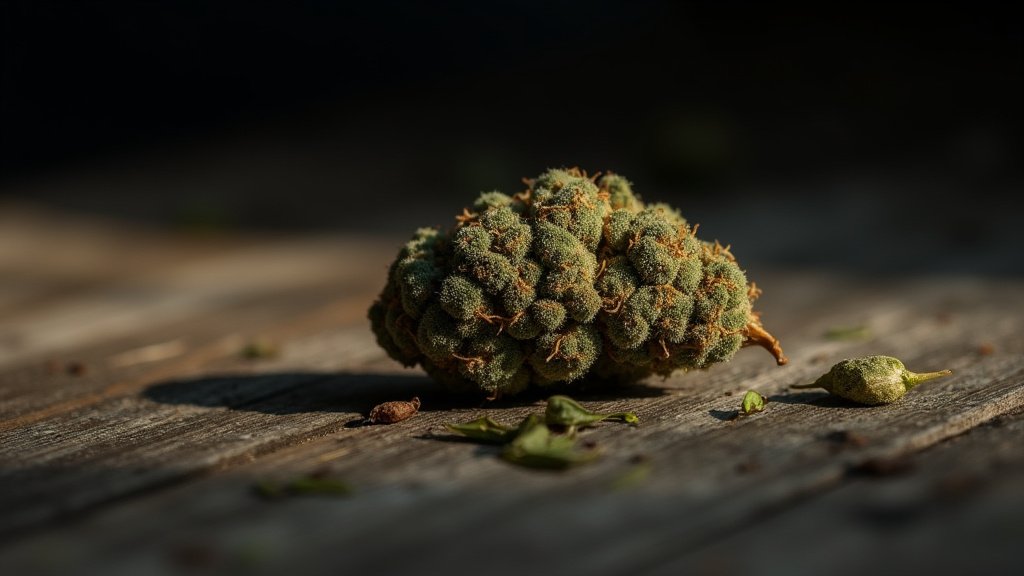
Oregon’s legal cannabis market has hit a significant downturn, with February 2026 marking the weakest sales month in six years. Sales fell below $70 million for the first time since March 2020, signaling a critical juncture for the state’s cannabis industry. This sharp decline is largely attributed to a record harvest that has created a substantial oversupply, leading to plummeting retail prices and razor-thin margins for businesses along the supply chain.
Market Saturation and Price Collapse
The primary driver behind the market’s struggles is a classic case of supply outpacing demand. A bumper harvest in 2025 resulted in an abundance of cannabis, flooding the market and pushing wholesale and retail prices to historic lows. Reports indicate that the median retail price per gram has fallen to approximately $3.33, with some months seeing prices dip below $4 per gram. This price compression is severely impacting the profitability of growers, processors, and retailers, forcing many to re-evaluate their business strategies, trim expenses, and consider drastic measures to survive the economic pressures.
Sales Decline and Industry Impact
Statewide cannabis sales in 2025 slipped to about $925 million, a notable decrease from previous years, and the trend continued into early 2026 with the February slump. The oversupply has led to a situation where an estimated 57% of the supply met consumer demand, leaving nearly double the amount of cannabis available than what is being purchased. This imbalance is forcing businesses to operate on increasingly tighter cash flows, with some reporting staffing cuts and reduced operational plans. The situation has been exacerbated by a market structure that, in its early stages, prioritized low barriers to entry, contributing to the rapid expansion of cultivation without a corresponding increase in demand.
Consumer Benefit Amidst Industry Hardship
While the oversupply and falling prices present significant challenges for businesses, consumers are experiencing the benefits of a buyer’s market. The continuous drop in prices offers consumers historically low costs for cannabis products. However, industry experts anticipate that these low prices will persist throughout 2026, driven by the continued effects of record production and the ongoing market adjustments. The situation has been compared to a “correction” following the pandemic-fueled boom, where increased demand and stimulus checks led to unprecedented sales, a surge that the market is now recalibrating from.
Potential Solutions and Future Outlook
Industry stakeholders are exploring various avenues to navigate this challenging market. Some advocate for federal legalization or rescheduling as a potential solution, which could open doors to interstate commerce and alleviate the domestic oversupply. Others suggest that the market will eventually self-correct, with weaker businesses exiting, thereby reducing supply. The Oregon Liquor and Cannabis Commission (OLCC) has implemented measures such as a moratorium on new licenses in the past, but these have not been sufficient to curb the persistent overproduction issues that have plagued the market since legalization. The long-term outlook suggests continued price depression unless significant shifts occur in either production levels or market demand.
FAQ: People Also Ask
What caused the decline in Oregon’s cannabis sales?
The decline in Oregon’s cannabis sales is primarily due to a severe oversupply caused by a record harvest. This glut has driven prices down significantly, impacting overall revenue despite steady consumer demand.
Are cannabis prices expected to rise in Oregon soon?
Industry experts predict that low cannabis prices will likely persist through 2026 due to the record production levels and the market’s ongoing adjustment to the oversupply. A significant increase in prices is not anticipated in the near future.
How does the oversupply affect cannabis businesses in Oregon?
The oversupply creates intense price compression, leading to reduced profit margins, tighter cash flows, and financial strain for growers, processors, and retailers. Some businesses are forced to cut costs, reduce staff, or even consider exiting the market.