Oregon Smashes Cannabis Production Record Amid Industry Struggles
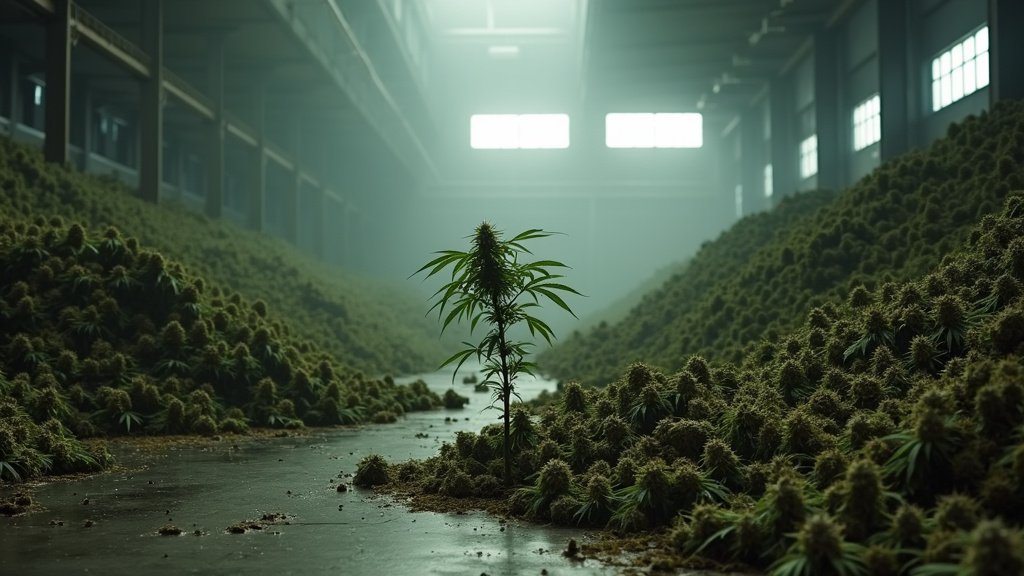
Oregon has once again broken its own record for cannabis production. Growers harvested an astounding 13.5 million pounds in 2025. This massive yield continues a trend of overproduction. The state produces far more cannabis than its residents consume. This glut creates a complex situation. Consumers enjoy historically low prices. However, the industry faces significant financial hardship.
Record Harvest, Declining Sales
In 2025, licensed growers produced 13.5 million pounds of cannabis. This is an increase from 12.3 million pounds in 2024. Despite this higher output, overall sales saw a decline. Sales fell 3.5% in 2025, reaching $925 million. This is down from $960 million in 2024. Sales also lag behind the peak years of 2020 and 2021. Consumers are buying less value. This is due to drastically lower prices.
Oversupply Drives Prices Down
Consumption levels have reportedly plateaued. Demand has not kept pace with production increases. This mismatch leads to a surplus of cannabis. As a result, retail prices have plummeted. The median price per gram of cannabis flower hit just $3.33 in December 2025. This is a steep drop from over $8 per gram in early 2017. Experts expect these low prices to continue. The large outdoor harvest in October 2025 contributed significantly to this oversupply.
Consumer Benefits, Business Woes
For consumers, these low prices are a clear benefit. They can purchase high-quality products at budget-friendly rates. However, the situation is dire for producers, processors, and sellers. Shrinking profit margins are a major concern. Many businesses are struggling to cover their costs. Some are forced to sell products at a loss.
Rising Costs and Market Pressures
Cannabis businesses face increasing input costs. Labor expenses are particularly high. This further squeezes profit margins. The industry also competes with intoxicating hemp-derived products. The market is characterized by oversupply. This has forced price compression across the supply chain. Some experts warn of consolidation. Smaller craft growers may sell out to larger corporate entities. This could limit consumer choice in the future.
Regulatory and Banking Hurdles
Persistent challenges remain due to federal law. Marijuana’s classification as a Schedule I drug hinders access to traditional banking services. It also prevents common business tax deductions. The punitive 280E tax code forbids many business expenses. A presidential executive order in December 2025 aimed to expedite rescheduling to Schedule III. This could improve banking access and tax deductions. However, the rulemaking process is ongoing.
Tax Revenue Decline Impacts Services
Oregon does not currently tax medical marijuana. However, this exemption is set to end by late 2027. Recreational cannabis sales generate tax revenue. This revenue funds critical programs. These include behavioral health services. Plummeting cannabis prices directly reduce tax revenues. This has led to significant shortfalls. The state projects millions in budget deficits for these vital services.
Future Outlook
The forecast for Oregon’s cannabis industry remains challenging. Persistent low prices, plateauing consumption, and ongoing regulatory constraints create a difficult business environment. The market faces a need for correction. Without federal changes like interstate commerce pathways, Oregon’s market may continue its current trajectory. This means low prices for consumers but slim margins for businesses.