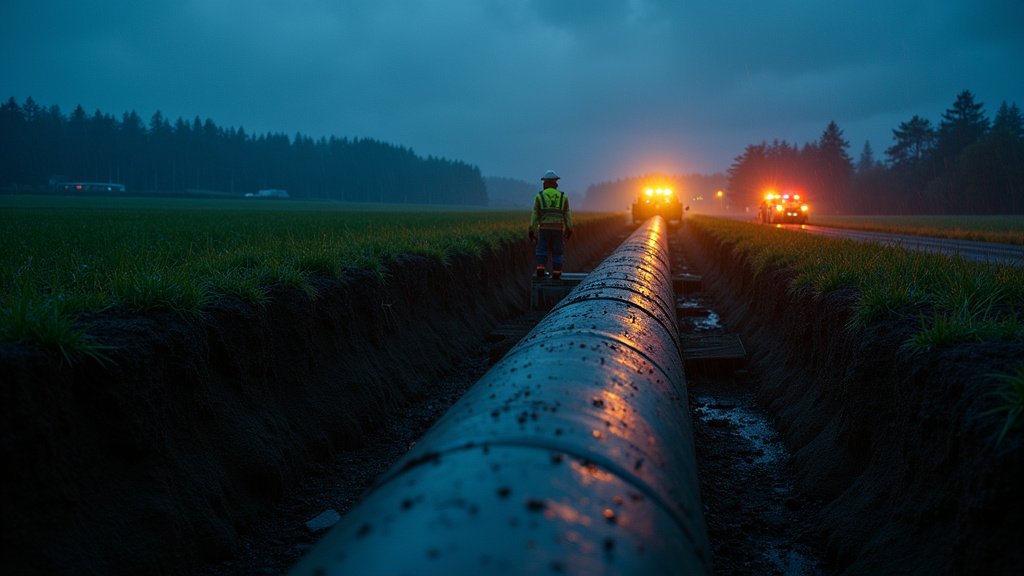
Oregon Governor Tina Kotek declared a state of emergency on November 25, 2025, to secure the state’s fuel supply following a significant Olympic Pipeline Leak. This pipeline is vital for Oregon, supplying over 90% of the state’s fuel, making the Olympic Pipeline leak a critical concern for the Oregon fuel supply. The Olympic Pipeline leak, which occurred near Everett, Washington, forced the pipeline’s closure. The emergency declaration addresses potential disruptions to the Oregon fuel supply and ensures fuel continues to arrive, which is crucial for the upcoming Thanksgiving travel season, especially with Thanksgiving travel concerns mounting.
The Critical Role of the Olympic Pipeline in Oregon Fuel Supply
The Olympic Pipeline is a major artery, transporting essential fuel products including gasoline, diesel, and jet fuel over 400 miles from refineries in Washington to Portland, Oregon. Given that Oregon has no oil refining capacity of its own, this single pipeline delivers the majority of the state’s fuel, making it indispensable. The Olympic Pipeline leak was first detected on November 11, 2025, near a blueberry farm. BP, the operator of the pipeline, initiated extensive repair efforts, excavating over 200 feet of pipe to trace the leak to a 20-inch segment. To aid in locating the problem, a parallel 16-inch pipeline was also shut down, impacting the Oregon fuel supply due to this significant Olympic Pipeline leak.
Governor Kotek’s Emergency Response to the Pipeline Emergency
Governor Kotek acted swiftly by issuing an emergency declaration, aiming to maintain fuel flow in response to the pipeline emergency. This declaration waives certain regulations, allowing commercial drivers hauling fuel to operate for longer hours, facilitating emergency fuel delivery. The objective is to facilitate alternative deliveries via trucks and barges, ensuring essential services remain operational and preventing widespread shortages. This emergency declaration is effective statewide and will last until December 24, 2025, unless rescinded earlier. State agencies, including the Department of Emergency Management, the Department of Energy, and the Department of Transportation, are coordinating efforts to manage the response and provide regulatory relief for this Olympic Pipeline leak, a major BP pipeline issue.
Impact of the Olympic Pipeline Leak on Fuel Prices
While Oregon officials do not anticipate a severe fuel shortage due to the Olympic Pipeline Leak, a fuel price increase is expected. Alternative delivery methods, such as trucks and barges, are inherently more expensive due to increased labor and logistics costs. Consequently, AAA reported a slight increase in the average gas price, attributed to these higher transport costs. The governor’s office has cautioned about potential price spikes and reminded the public that price gouging is unlawful. Consumers are encouraged to report any violations to the Oregon Department of Justice regarding fuel prices Oregon may see as a result of the Olympic Pipeline leak.
Airport Operations and Thanksgiving Travel Concerns
Portland International Airport (PDX) is not expected to face significant issues, as airlines there can receive jet fuel via barge. This contrasts with Seattle-Tacoma International Airport (Sea-Tac), which relies solely on the pipeline and experienced some delays following the Olympic Pipeline leak. Major carriers at Sea-Tac took precautionary measures, including bringing in extra fuel and adding refueling stops to flights, to mitigate potential supply concerns. The timing of the Olympic Pipeline leak just before Thanksgiving, a peak travel period, heightened concerns about potential travel disruptions. Washington Governor Bob Ferguson also issued an emergency declaration focused on ensuring jet fuel for Sea-Tac due to the Washington pipeline leak, another facet of the overall Olympic Pipeline leak problem.
Olympic Pipeline History and Reliability Concerns
The Olympic Pipeline has a history of disruptions. BP was fined $3.8 million for a spill in 2023, and the pipeline has experienced multiple leaks since 1999. A particularly devastating 1999 leak in Bellingham, Washington, resulted in a deadly explosion, highlighting persistent pipeline safety concerns. The current Olympic Pipeline leak further emphasizes Oregon’s considerable dependence on this single infrastructure for its Oregon fuel delivery. Officials are closely monitoring the repair progress, and the exact cause of the leak is still under investigation, addressing the BP pipeline issues and the ongoing consequences of the Olympic Pipeline leak.
Looking Ahead: Ensuring Future Reliability and Addressing BP Pipeline Issues
The current emergency declaration provides immediate relief by ensuring continued fuel delivery. However, the incident raises critical questions about pipeline safety and Oregon’s singular reliance on one supply line. Future resilience may necessitate diversified supply routes or enhanced storage capacity to mitigate the impact of future Olympic Pipeline leaks or other pipeline emergencies. For now, the primary focus is on repairs, with BP developing a plan and timeline for the full pipeline restart. The situation underscores the complex logistics involved in maintaining critical infrastructure and its profound impact on daily life. While the partial restart of the Olympic Pipeline has brought some relief, full restoration remains pending, crucial for the ongoing Oregon fuel supply and for addressing the broader implications of the Olympic Pipeline leak.