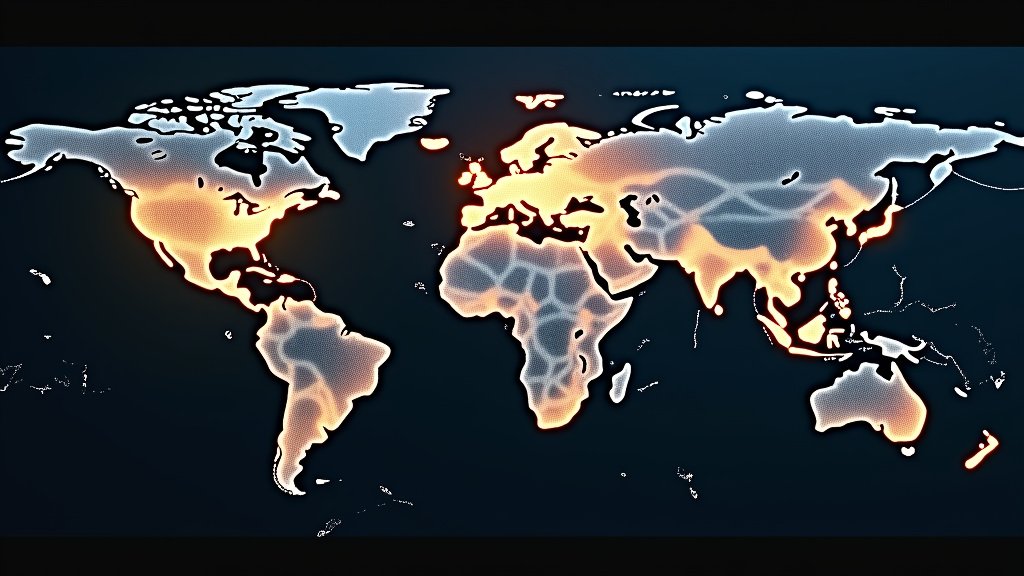
Millions have taken to the streets in major cities across the United States and international hubs today, participating in coordinated ‘No Kings’ protests to voice intense opposition against the current Trump administration. The demonstrations, which have spanned from Washington D.C. to London and beyond, represent a massive grassroots movement challenging the limits of executive power. Participants argue that recent policy decisions have disregarded constitutional checks and balances, sparking a nationwide conversation about the role of the presidency in modern democracy.
- Organizers estimate turnout in the millions, with major rallies held in Washington, New York, Los Angeles, and Chicago.
- Protestors are united by the ‘No Kings’ slogan, a direct reference to the founding principle that the American presidency should not operate with monarchical authority.
- International solidarity protests have occurred in several European capitals, highlighting global concern regarding US domestic policy shifts.
- Law enforcement has reported largely peaceful assemblies, though increased security measures have been deployed in major metropolitan centers.
The Deep Dive
The Anatomy of the Movement
The ‘No Kings’ movement has rapidly evolved from a decentralized online campaign into a powerful physical force. Analysts suggest that the speed at which these protests mobilized reflects a deep-seated anxiety regarding the current administration’s interpretation of executive privilege. While the demonstrations lack a single charismatic leader, they are fueled by a diverse coalition of grassroots organizations, civil liberties advocates, and concerned citizens who argue that the foundational architecture of the US government is being fundamentally altered.
For many attendees, the central issue is not merely specific policy enactments, but the broader precedent being established. The sentiment expressed on placards and via chants suggests that the protesters view the current administration as actively eroding the separation of powers. By invoking the concept of ‘No Kings,’ the movement taps into American historical anxieties about unchecked authoritarianism, positioning these protests not as simple political disagreement, but as an essential defense of the republic’s structural integrity.
Impact on National Discourse
The political ramifications of these demonstrations are expected to be substantial. As the country navigates this period of high tension, the ‘No Kings’ protests force a spotlight onto the legislative and judicial branches, demanding they assert their respective authorities in the face of executive expansion. Political scientists note that the sheer volume of participation indicates that this is not a fringe phenomenon; it is a mainstream expression of civic concern that traverses traditional partisan divides in some regions.
Furthermore, the international component of the protests adds a layer of complexity to the administration’s foreign policy image. By highlighting the global nature of these concerns, protesters are signaling to the world that the domestic struggle over the nature of the presidency has profound consequences for the global standing of the United States. This international visibility may increase pressure on the administration to temper its approach, or alternatively, reinforce its reliance on a narrative of nationalistic resolve.
Future Trajectory
As the sun sets on these massive demonstrations, the question remains: what comes next? Organizers have signaled that these protests are intended to be the beginning of a sustained campaign of civic action, rather than a one-time event. They are calling for legislative reform, judicial oversight, and intensified voter engagement in upcoming electoral cycles. The endurance of the ‘No Kings’ movement will ultimately depend on its ability to transition from reactive street protests to proactive political initiatives.
Should the movement sustain its momentum, it could redefine the political landscape for the remainder of the presidential term. Alternatively, if the administration successfully dismisses the protests as isolated incidents of partisan dissent, the movement risks losing its potency. For now, however, the millions who have gathered represent a stark, undeniable visual demand for accountability and a rejection of concentrated, unchecked power in the executive branch. The coming weeks will likely reveal whether this widespread public outcry can translate into tangible institutional change, or if it will be absorbed into the noise of a chronically polarized political environment.