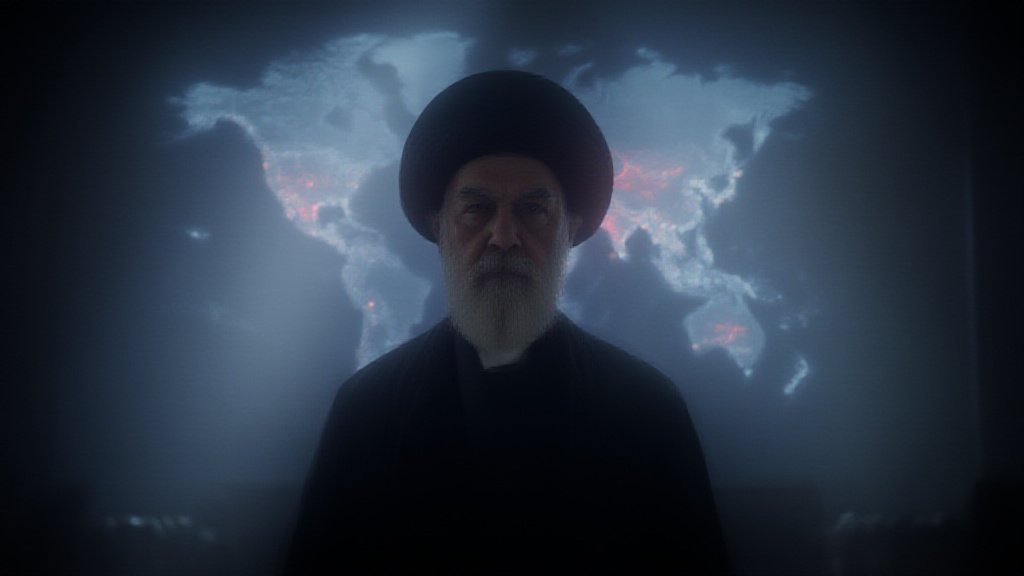
Iran has a new Supreme Leader. Mojtaba Khamenei now holds the top position. This follows the assassination of his father, Ali Khamenei. The event happened on February 28, 2026. This marked the start of a major war. The United States and Israel launched initial strikes. Iran responded with missile and drone attacks. These attacks targeted Israel and US bases. They also hit allied nations. This ongoing global conflict is reshaping the region.
The New Supreme Leader
Mojtaba Khamenei is the second son of the former leader. He is now 56 years old. He was selected by the Assembly of Experts. This clerical body chose him as successor. Mojtaba Khamenei has long operated behind the scenes. He built deep ties within Iran’s security apparatus. He has close connections to the Revolutionary Guard. His rise is significant. It marks the first hereditary succession of the Supreme Leader. His wife and one child were killed in initial strikes. This highlights the war’s personal toll. His leadership signals a hard-line approach. It offers stability amid extreme pressure. His authority stems from influence, not just religious stature.
Escalating Global Conflict
The war began with joint US and Israeli airstrikes. These targeted military and government sites. They killed Ali Khamenei and other officials. Iran’s retaliation brought the conflict to Israel. It also impacted US bases and allies. The war has now expanded. It involves several nations. The Strait of Hormuz is effectively closed. This crucial waterway is vital for global trade. It has severely disrupted oil and LNG flows. Iran’s actions threaten global energy security. The conflict shows no signs of abating soon.
Economic Shockwaves Ripple Globally
Global oil prices have surged dramatically. Brent crude oil surpassed $100 a barrel. It briefly touched nearly $120. This is the highest level since 2022. Fears of prolonged supply disruptions drive these prices. Iran’s actions in the Strait of Hormuz are a key factor. Gas prices in the US have also climbed. This surge threatens global economic stability. It raises concerns about inflation. Some economists predict higher inflation rates. The G7 is monitoring the situation. They are considering strategic oil reserves. However, no reserves have been tapped yet.
Regional Instability and Water Fears
Attacks on Iranian oil facilities have caused severe pollution. Tehran was engulfed in toxic smoke. This led to black rainfall in some areas. Water security is a major concern for Gulf nations. Many rely heavily on desalination plants. Iran has attacked energy infrastructure. This includes facilities in Bahrain and the UAE. Strikes have damaged desalination plants. This threatens a vital resource for millions. Food security is also at risk. Supply chains are disrupted. This creates further regional tension.
International Evacuations and Waivers
Many countries are evacuating citizens. Widespread missile strikes and airspace closures pose dangers. Major airports like Dubai have faced severe disruptions. Thousands of flights were canceled. Governments are arranging charter flights. They aim to bring stranded nationals home. The US has granted India a temporary waiver. This allows India to buy Russian oil. The waiver aims to ease global supply pressures. However, some critics call the move dangerous. They believe it rewards adversaries. Reports also suggest Russia may be aiding Iran.
An Uncertain Future
Mojtaba Khamenei’s appointment signals continuity. It suggests no de-escalation in the ongoing war. The conflict continues to impact global markets. It creates severe humanitarian concerns. The region faces deep instability. The future trajectory of this war remains uncertain. Its global consequences are still unfolding. This news is a trending global development.