Key Takeaways
- Historic Turnout: A record-breaking number of political parties have officially registered with the Provisional Electoral Council (CEP).
- Decade-Long Wait: This marks the first scheduled general election since 2016, following years of institutional erosion.
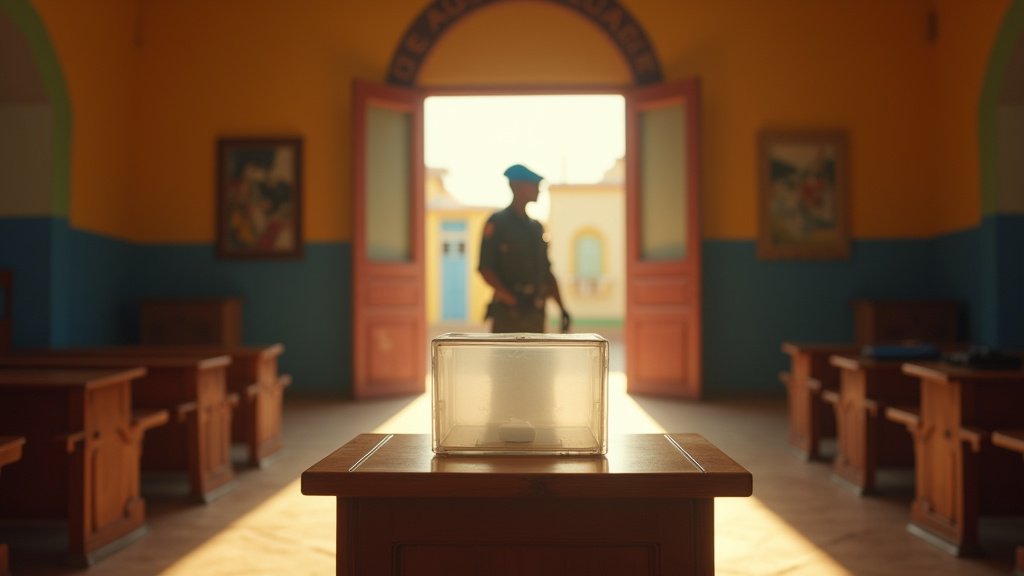
- Security Stakes: The election process is unfolding alongside a UN-backed security mission to reclaim territory from gang control.
- Transition Deadline: The Transitional Presidential Council (TPC) aims to swear in a new president by February 7, 2026.
Summary Lead
In a landmark moment for Caribbean democracy, Haiti has witnessed an unprecedented surge in political activity. Following the opening of the registration window by the Provisional Electoral Council (CEP), a record number of political parties have submitted their credentials to participate in the upcoming general elections. This mobilization represents the first significant step toward restoring constitutional order in a nation that has not held a vote since 2016. Amidst a backdrop of systemic gang violence and economic fragility, the high volume of registrations signals a desperate, albeit fragmented, collective desire to move past the transitional government and toward a sovereign mandate.
The Deep Dive
The sheer volume of political entities vying for a seat at the table highlights both the hope and the complexity of Haiti’s current political landscape. For the first time in ten years, the gears of the democratic process are beginning to turn, driven by a Provisional Electoral Council that has been tasked with the monumental feat of organizing a fair vote in one of the world’s most challenging environments.
The Road to the Ballot Box
The path to this registration record has been paved with significant blood and turmoil. Since the assassination of President Jovenel Moïse in 2021, Haiti has functioned without a single elected official. The current transition is managed by a nine-member Transitional Presidential Council (TPC), which has struggled to balance internal power dynamics with the external pressure of the international community. The announcement that dozens of parties—ranging from established traditionalist groups to new, youth-led coalitions—have registered is seen by many as a vote of confidence in the possibility of a 2025 election cycle.
Security and Sovereignty Concerns
Despite the enthusiasm shown by political leaders, the reality on the ground in Port-au-Prince remains a daunting barrier. With gangs controlling approximately 80% of the capital, the logistical challenge of setting up polling stations and ensuring voter safety cannot be overstated. The Multinational Security Support (MSS) mission, led by Kenyan police forces, has begun operations to stabilize key infrastructure, but the force remains underfunded and under-equipped compared to the initial projections. The success of these elections depends entirely on whether the government can provide a ‘security envelope’ large enough to allow for a free campaign period and safe access to ballot boxes.
A Fragmented Political Landscape
Critics argue that the record number of parties—exceeding the totals seen in previous high-turnout years like 2010 and 2015—is a symptom of a deeply fragmented political class. With so many contenders, there is a significant risk of a diluted vote, which could lead to a contested second round or a lack of a clear mandate for the eventual winner. However, proponents of the process suggest that this diversity is necessary to ensure that all sectors of Haitian society, including those in the diaspora and the provinces, feel represented after years of exclusion.
FAQ: People Also Ask
When was the last time Haiti held an election?
Haiti’s last successful general election took place in 2016. Since then, terms for parliamentarians and the presidency have expired without replacements, leading to a complete collapse of elected governance.
Who is overseeing the 2025 Haiti elections?
The elections are being organized by the Provisional Electoral Council (CEP), which was recently sworn in under the authority of the Transitional Presidential Council (TPC) and Prime Minister Alix Didier Fils-Aimé.
Will the elections be safe for voters?
Security remains the primary concern. The Haitian National Police, supported by the UN-authorized Multinational Security Support (MSS) mission, are working to clear gang-held areas to ensure that registration and voting can proceed without violence.