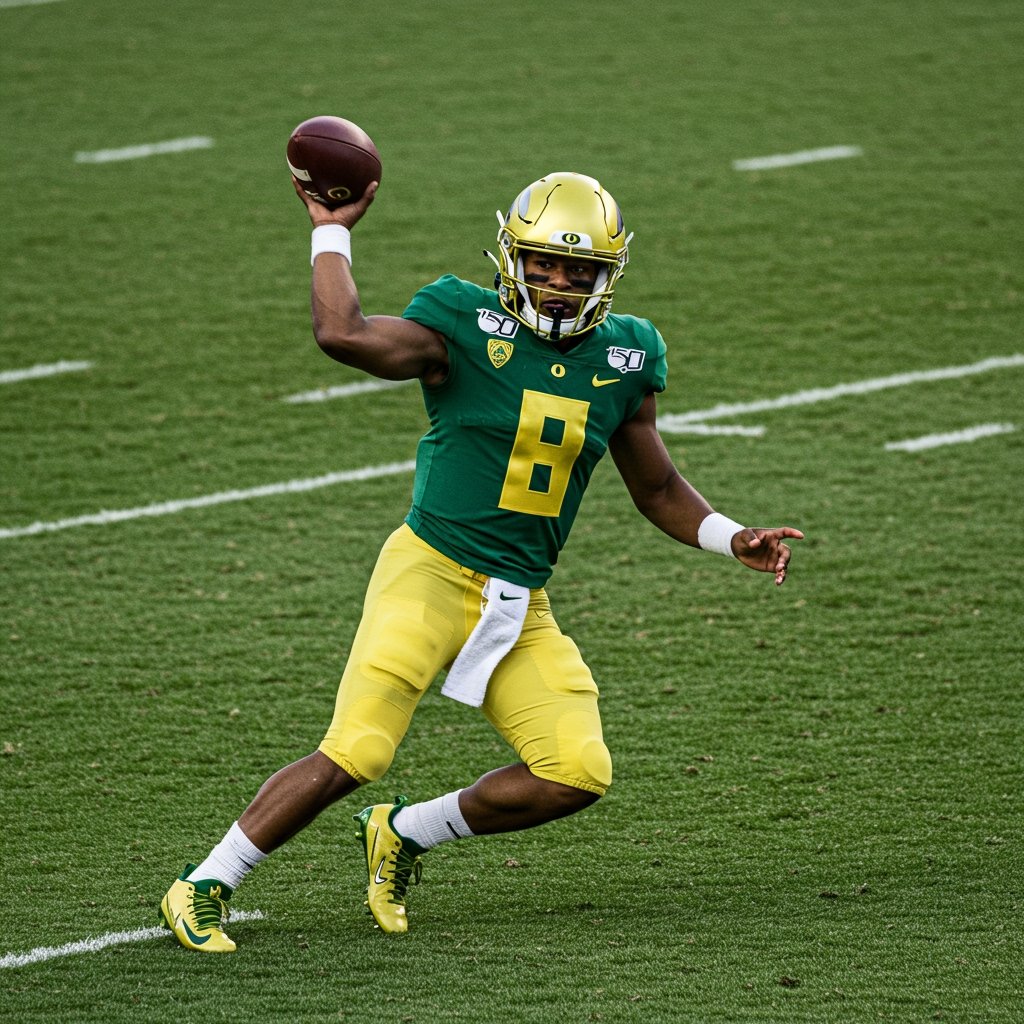
Oregon football’s 2027 recruiting class faces a setback as a top-tier prospect commits to USC, triggering a notable shift in the national rankings. The Ducks, who have been aggressive in their pursuit of top-tier talent, found themselves maneuvering through a volatile recruiting landscape this week after losing a key commitment to Big Ten rival USC. This development has caused Oregon to slip in the national recruiting rankings, a reminder of the hyper-competitive nature of modern college football acquisition.
- Oregon loses a prized 2027 prospect to USC, impacting class momentum.
- The loss results in a dip for the Ducks in the latest national recruiting rankings.
- Competition intensifies as Big Ten rivals battle for elite high school talent.
- Oregon staff expected to pivot quickly to maintain their top-tier status.
The Deep Dive
The Impact of the USC Flip
In the high-stakes arena of college football recruiting, momentum is everything. For a program like the University of Oregon, which has cemented itself as a premier destination for top high school talent under current leadership, every commitment is a building block for future championships. The recent decision by a marquee 2027 prospect to pivot away from Eugene and toward Los Angeles to join USC represents more than just a single loss; it is a tactical setback that alters the composition of the Ducks’ future roster. Recruiting analysts have noted that the sudden flip has sent ripples through the 2027 rankings, causing Oregon to tumble slightly as other programs consolidate their own commitments.
Navigating the Big Ten Landscape
The realignment of college football has fundamentally shifted the dynamics of recruiting, particularly between Oregon and USC. Now conference peers in the Big Ten, the two programs are frequently finding themselves in direct competition for the same elite talent pools. This rivalry extends well beyond the gridiron, manifesting in intensive recruiting battles that often come down to the final days before a verbal commitment becomes binding. Losing a player to a direct conference competitor carries extra weight, as it effectively strengthens an opponent while simultaneously weakening the collective depth chart of the Ducks.
Analyzing the Shift in 2027 Rankings
While national rankings in the early stages of a recruiting cycle are fluid and often subject to dramatic change, the dip in Oregon’s standing is being scrutinized by industry insiders. Recruiting databases aggregate data points based on player star ratings, position needs, and the overall trajectory of a program’s class. When a high-profile recruit pulls their pledge, the immediate impact on the score is mathematically significant. However, for a staff as resource-heavy and proactive as Oregon’s, this period serves as a critical junction for recalibration. The Ducks have demonstrated a history of successfully flipping players back or identifying undervalued talent to fill gaps, suggesting that this current slide may be temporary.
Strategy for Future Recruitment
Looking ahead, the Oregon coaching staff is expected to shift focus toward securing additional talent to compensate for the loss. The team’s recruiting strategy has always prioritized athleticism and long-term development, and they are likely to lean into their established culture of winning and institutional branding to regain their standing. As the 2027 cycle continues to unfold, the competition for elite recruits will only heighten. The ability for Oregon to absorb this loss and pivot to other high-priority targets will be the defining narrative of their next few months. Fans and analysts alike will be watching to see how the Ducks respond on the trail, as the pressure to maintain a top-ranked class remains immense in the current college football climate.