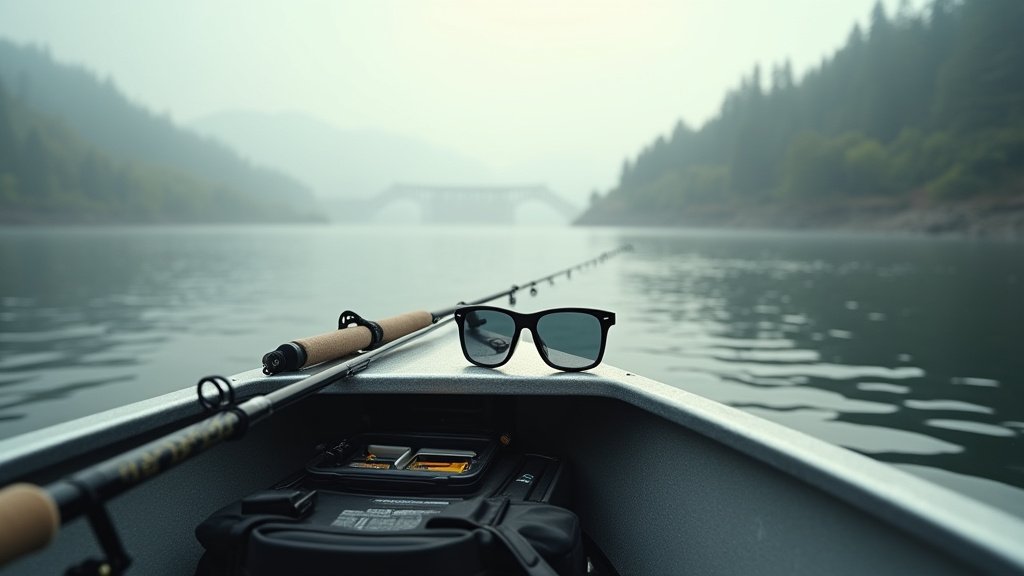
Fishery managers from the Washington Department of Fish and Wildlife (WDFW) and the Oregon Department of Fish and Wildlife (ODFW) have issued a joint emergency order reopening recreational Spring Chinook fishing on the lower Columbia River. Following a closure on April 8, recent data indicated that catch totals remained well within the established harvestable buffer, prompting a strategic three-day window of opportunity for anglers. This reopening, effective from Saturday, April 11, through Monday, April 13, arrives as a welcome development for the regional angling community, providing a critical chance to target one of the Pacific Northwest’s most prized game fish. The decision highlights the complex, data-driven nature of managing the Columbia River’s iconic salmon runs, where real-time monitoring balances economic activity with long-term conservation mandates.
Key Highlights
- Emergency Reopening Dates: Recreational retention of hatchery Spring Chinook is authorized for April 11, 12, and 13, 2026.
- Operational Area: The fishery extends from the Buoy 10 line upstream to Beacon Rock, including the Oregon and Washington banks up to the Bonneville Dam deadline.
- Bag Limits: Anglers may retain two adult hatchery salmonids (Chinook or steelhead) per day, with a strict limit of one adult Chinook per day.
- Management Context: The extension was triggered by lower-than-anticipated catch rates during the initial early-season phase, leaving unutilized harvest quota available for the public.
- Regulatory Reminder: All other standard permanent regulations for the Columbia River remain in effect; anglers are strongly advised to consult the official ODFW and WDFW recreation reports before launching.
Navigating the Columbia River Spring Chinook Reopening
The Columbia River Spring Chinook run is arguably the most anticipated fishing event in the Pacific Northwest. Known locally as “Springers,” these fish are prized not only for the challenge they provide but also for their high fat content and superior culinary quality. Managing this fishery requires a delicate hand; state agencies must protect endangered wild stocks while maximizing recreational opportunities for hatchery-produced fish. The decision to reopen the river for this three-day window serves as a testament to the precision required in this management process.
The Science Behind the ‘Springers’
Spring Chinook enter the Columbia River earlier than their summer and fall counterparts. These fish are metabolically adapted to navigate the cool, swift currents of the Columbia as they migrate hundreds of miles upstream toward their spawning grounds. Because these fish are often in prime condition upon entering the river, they are highly sought after by sport anglers. However, because they must also navigate a gauntlet of environmental variables—ranging from water temperatures to predation—managers set aggressive, quota-based limits. When catch estimates fall below the modeled predictions, as they did in early April 2026, it signifies that a portion of the “harvestable balance” remains untapped, leading to the regulatory flexibility that allows for these short-term reopenings.
Strategic Geography: Buoy 10 to Bonneville
For the upcoming three-day window, the focus remains on the lower Columbia, from the Buoy 10 line—the river’s mouth at the Pacific Ocean—upstream to the Beacon Rock area and the Bonneville Dam deadline. This stretch of river is critical because it represents the “gauntlet” through which every spring salmon must pass.
Anglers should note that while the general area is open, specific sub-regulations apply near Beacon Rock. From Beacon Rock upstream to the Bonneville Dam, regulations are distinct, often requiring bank angling with hand-cast lines only to ensure compliance and prevent gear conflict in high-density areas. Navigating these boundaries is essential for any angler; failing to adhere to the precise marker lines can result in significant legal and conservation consequences.
Economic and Community Impact
The economic footprint of this three-day reopening cannot be overstated. Local businesses—including tackle shops, bait suppliers, boat launch operators, and hospitality services in towns like Cascade Locks, Stevenson, and Camas—rely on these pulses of angling activity. A closure on the Columbia is felt deeply by these small-town economies. Consequently, when state managers announce a reopening, it acts as an immediate economic stimulus.
Beyond the economics, this is a cultural touchstone. For many families in Oregon and Washington, a trip to the Columbia River during the spring run is a multi-generational tradition. The ability to return to the water for even a short 72-hour window allows anglers to preserve that connection to the river and its migratory cycles.
Tactics for Success in High-Pressure Conditions
With only three days of access, the river is expected to see a significant spike in effort. Anglers targeting Spring Chinook during this brief window should prioritize efficiency.
1. Monitor the Tide: In the lower reaches near Buoy 10, tidal influence dictates fish movement. The “incoming” tide often brings in fresh waves of fish from the ocean, making it a preferred time for many experienced boaters.
2. Depth Control: Springers often travel near the bottom to avoid the swift surface currents. Using depth sounders to locate the thermocline and adjusting weight and leader lengths accordingly is paramount.
3. Hatchery Identification: Since the regulation restricts retention to hatchery fish, anglers must be adept at identifying the adipose fin clip. Releasing a wild fish with minimal handling stress is a core tenet of ethical angling in the Columbia basin.
Future Predictions and Sustainability
Looking ahead, the 2026 season remains dynamic. Fishery managers have emphasized that this three-day extension is a temporary, data-dependent adjustment. The “run update,” which occurs later in the spring, will provide the final, accurate count of the returning fish. Should the actual return exceed the preseason forecast of 147,300 fish, additional opportunities could emerge. However, the current strategy focuses on conservation first, ensuring that impacts to wild stocks—protected under the Endangered Species Act—are kept within strict parameters. This balancing act ensures that the Columbia River remains a viable salmon fishery for future generations, even as climate change and habitat loss continue to threaten the resilience of the species.
FAQ: People Also Ask
Q: Why was the Columbia River Spring Chinook fishery closed on April 8th?
A: The fishery closed on April 8th according to the original, preseason schedule adopted by the Oregon and Washington commissions in February. This closure was a pre-planned step to allow managers to evaluate the actual catch numbers against the preseason forecasts before deciding on any further extensions.
Q: What is the significance of the ‘adipose fin clip’ for anglers?
A: The adipose fin clip is the primary identifier for hatchery-raised salmon. Anglers are legally required to retain only hatchery Chinook; any wild Chinook (which have an intact adipose fin) must be released immediately with minimal handling to ensure survival, as these fish are critical for the natural spawning population.
Q: Are there any specific gear restrictions for the Bonneville Dam area?
A: Yes. In the section from Beacon Rock upstream to the Bonneville Dam deadline, fishing from a vessel is prohibited. Anglers in this area are restricted to bank angling and must use hand-cast lines, a rule implemented to manage the high volume of anglers near the dam and protect the safety and integrity of the area.
Q: Will there be more fishing days in May 2026?
A: Fishery managers have indicated that the fishery is currently scheduled to be open on May 2, and they will continue to monitor run returns. Decisions regarding additional days in May will depend heavily on the results of the in-season run update and how the current harvest rates compare to the allowed quotas for the season.