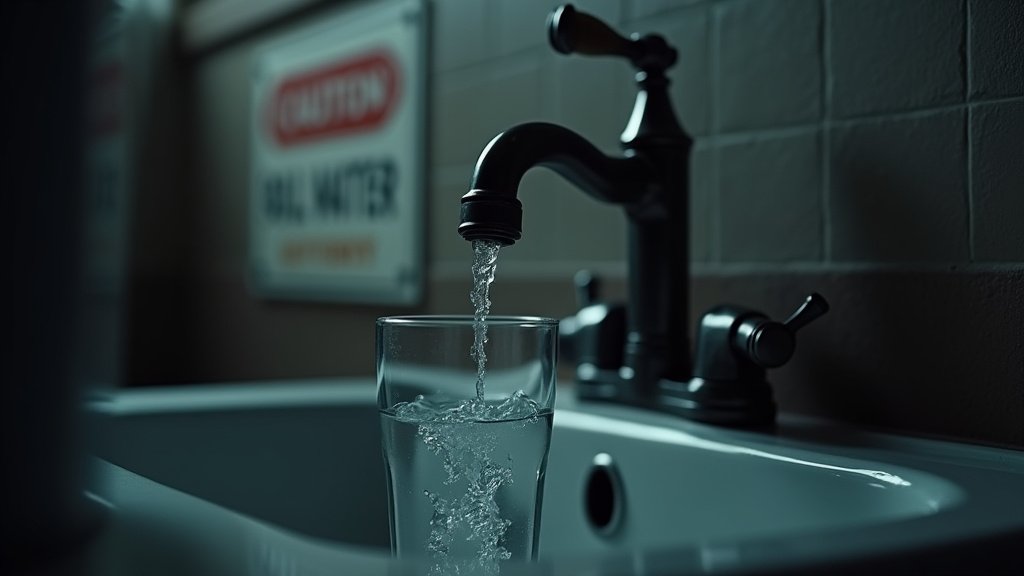
Residents of Ontario, Oregon, are currently under a boil water advisory due to a mechanical issue at the city’s water treatment plant that caused a significant drop in water pressure. The notice urges all users of the municipal water system to vigorously boil water for at least one minute before consumption, cooking, or making ice. The city issued the advisory on Sunday, March 22, 2026, after a water booster failed in the eastern part of the city, leading to water pressure falling below 20 pounds per square inch. This pressure loss can create an environment where bacteria and other contaminants may grow. While backup boosters are now operational and water pressure has reportedly returned to normal, the boil water notice remains in effect pending water testing results. It is currently unclear how long the advisory will last.
- Cause: Mechanical failure of a water booster pump at the treatment plant.
- Impact: Drop in water pressure below safe levels across the city’s distribution system.
- Affected Area: All residents within the City of Ontario’s water service area.
- Precautionary Measure: Boil all water for at least one minute before drinking, cooking, or making ice.
- Current Status: Backup systems are operational, pressure restored, but testing is ongoing.
- Duration: Unknown, pending test results.
Ontario Faces Water Pressure Issues
The city of Ontario, located near the Oregon-Idaho border, is grappling with an unexpected disruption to its water supply. A critical water booster pump malfunctioned, triggering a chain of events that led to a city-wide loss of water pressure. This incident has prompted immediate action from city officials to protect public health.
The advisory specifically instructs residents to boil water vigorously for a minimum of one minute before it can be safely used for drinking, preparing food, or making ice. This measure is a standard precaution when water pressure drops below 20 psi, as it can increase the risk of microbial contamination. The city’s water system serves over 14,000 customers, highlighting the widespread impact of this issue.
Officials are conducting rigorous testing to ensure the safety of the water supply before lifting the advisory. In the interim, backup water booster systems have been brought online to restore normal pressure levels throughout the distribution network. However, the duration of the boil water notice remains uncertain until laboratory analysis confirms the absence of harmful bacteria.
Ensuring Water Safety Amidst Disruption
The situation in Ontario underscores the critical importance of maintaining consistent water pressure within municipal systems. When pressure falters, even temporarily, the integrity of the water supply can be compromised, necessitating swift and decisive action to safeguard public health. The city’s response, including the immediate issuance of a boil water notice and the deployment of backup systems, reflects established protocols for such emergencies.
Local institutions, such as the Snake River Correctional Institution, have also taken immediate steps to comply with the advisory, ensuring the safety of inmates, staff, and visitors. Businesses are also being proactive, with some, like the Plaza Inn Restaurant, reassuring customers about their water safety measures, which include annual backflow testing for their equipment.
The public is urged to stay informed through official city channels and to adhere strictly to the boiling guidelines until the “all clear” is given. The process of lifting the advisory will involve comprehensive water quality testing to confirm that the water meets all state and federal drinking water standards.
FAQ: People Also Ask
Q1: What is a boil water notice and why is it issued?
A1: A boil water notice is a public health directive issued when there is a risk of contamination in the public water supply. It is typically issued due to a loss of water pressure, a system break, or a confirmed presence of harmful bacteria or contaminants. The notice requires residents to boil water vigorously for at least one minute before using it for drinking, cooking, or other potable purposes.
Q2: How long does a boil water notice typically last?
A2: The duration of a boil water notice can vary depending on the cause and severity of the contamination risk. It generally remains in effect until water quality testing confirms that the water is safe to drink. This process can take 24 to 48 hours or longer, as samples need to be collected and analyzed by a laboratory.
Q3: What should I do if I am under a boil water notice?
A3: If you are under a boil water notice, you should use boiled or bottled water for all drinking, cooking, brushing teeth, and making ice. To boil water, bring it to a rolling boil for at least one minute, then let it cool before use. Discard any beverages or food prepared with non-boiled water during the notice period, unless it has been thoroughly cooked.