Key Takeaways
- The Portland Trail Blazers have stated that public investment is the only viable path forward for renovating the Moda Center.
- The team’s current lease at the city-owned arena is set to expire in 2030, creating a ticking clock for negotiations.
- Estimates for the necessary upgrades reach into the hundreds of millions of dollars to keep the facility competitive with newer NBA venues.
- City officials face a difficult decision as Portland grapples with other significant budgetary priorities and infrastructure needs.
Summary Lead
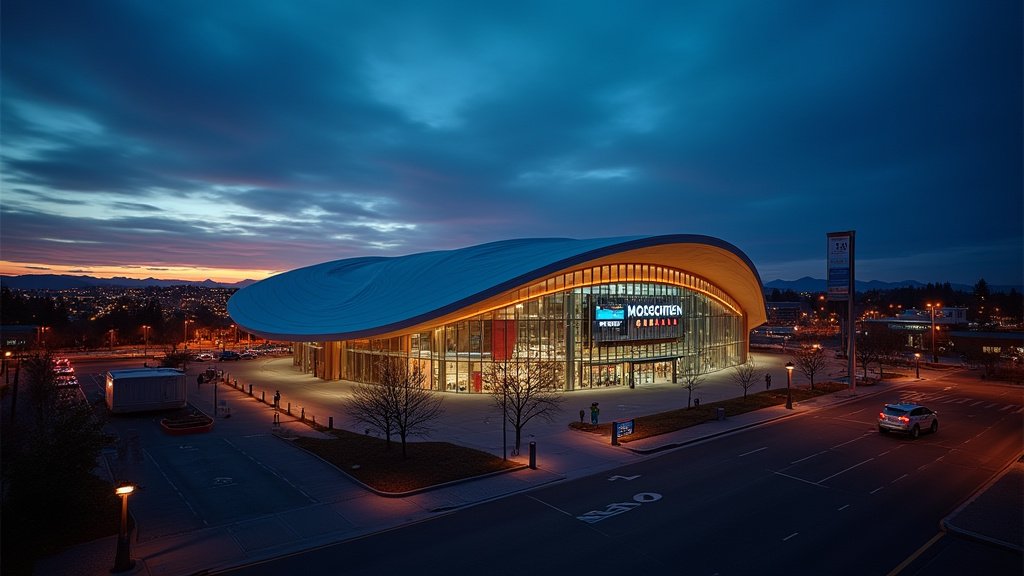
In a move that has sent ripples through the Pacific Northwest sports landscape, the Portland Trail Blazers have explicitly told city leadership that public cash is the ‘only solution’ for renovating the Moda Center. As the franchise looks toward the future of its residency in the Rose Quarter, the statement marks a definitive stance in ongoing negotiations regarding the team’s long-term commitment to Portland. With the current lease agreement approaching its 2030 expiration, the pressure is mounting to secure a financial framework for a multi-million dollar overhaul of the nearly 30-year-old facility.
The Deep Dive
The Moda Center, formerly known as the Rose Garden, has served as the home of the Portland Trail Blazers since 1995. While it was once considered a crown jewel of NBA arenas, the facility is now among the older venues in the league. As peer cities like San Francisco, Sacramento, and Chase Center have set new benchmarks for luxury and fan experience, the Blazers argue that the Moda Center requires a top-to-bottom transformation to remain economically viable and competitive.
The Financial Standoff
At the heart of the issue is a massive funding gap. The Trail Blazers organization, currently managed under the estate of the late Paul Allen by his sister Jody Allen, has indicated that the scale of the necessary renovations—which include structural upgrades, technology overhauls, and premium seating expansions—exceeds what the team can privately finance. By labeling public cash as the ‘only solution,’ the team is effectively putting the ball in the court of Portland’s City Council.
Critics of the proposal point to the broader economic climate in Portland. The city is currently navigating significant challenges related to housing, public safety, and urban revitalization. Allocating hundreds of millions of taxpayer dollars to a professional sports arena is a difficult sell for a constituency that is already scrutinizing every dollar of public spending. However, proponents argue that losing the Blazers would be a devastating blow to the city’s identity and its downtown economy.
The Leverage of 2030
The year 2030 looms large in these discussions. That is when the team’s lease at the Moda Center officially ends. In the world of professional sports, a six-year window is a short fuse. Without a renovation plan in place, rumors of relocation—to cities like Seattle, Las Vegas, or Vancouver—could begin to intensify. The Blazers’ leadership has not explicitly threatened to leave, but the ‘only solution’ rhetoric serves as a clear warning that the status quo is unsustainable.
Modernizing the Fan Experience
What exactly does ‘renovation’ entail? Modern NBA arenas have evolved into mixed-use entertainment hubs. The Blazers’ vision likely includes more than just better seats. It involves integrated betting lounges, high-end culinary experiences, and enhanced digital connectivity. Furthermore, the arena needs significant HVAC and sustainability upgrades to meet modern environmental standards. These technical improvements, while invisible to the average fan, represent a significant portion of the projected costs.
FAQ: People Also Ask
How much will the Moda Center renovations cost?
While official figures haven’t been finalized, industry experts estimate that a comprehensive renovation of an arena the size of the Moda Center could range from $300 million to $500 million, depending on the scope of the infrastructure and tech upgrades.
Does the City of Portland own the Moda Center?
The land is owned by the City of Portland, but the building was constructed with private funds and is managed by Rip City Management, which is owned by the Trail Blazers’ ownership group. The complex nature of the ground lease and building ownership complicates the negotiation process.
What happens if the city refuses to provide public funding?
If the city declines to provide public cash for renovating the Moda Center, the Blazers may look to alternative funding models, such as tax-increment financing or ticket surcharges. However, if no agreement is reached by 2030, the risk of the team exploring relocation to another market increases significantly.