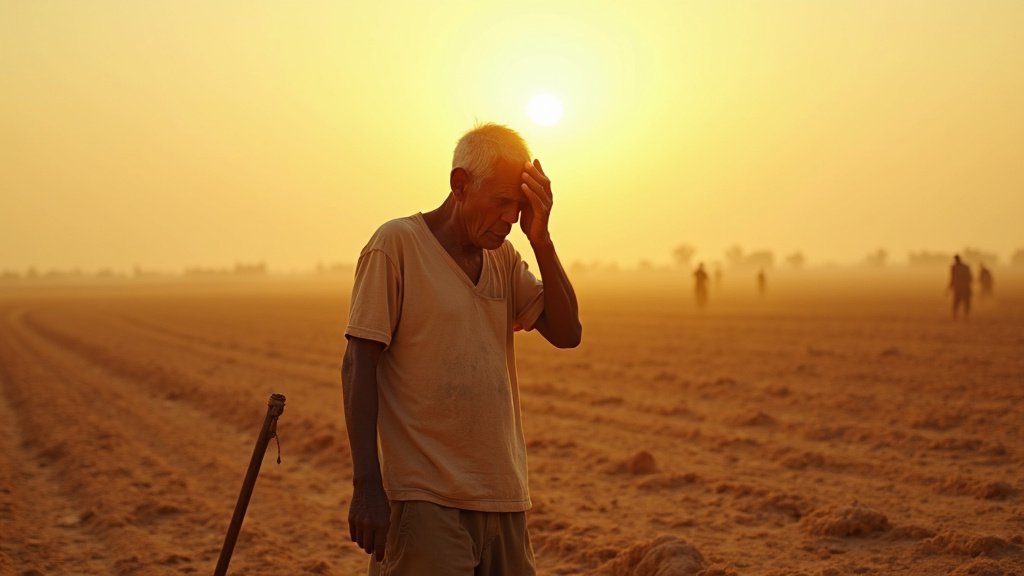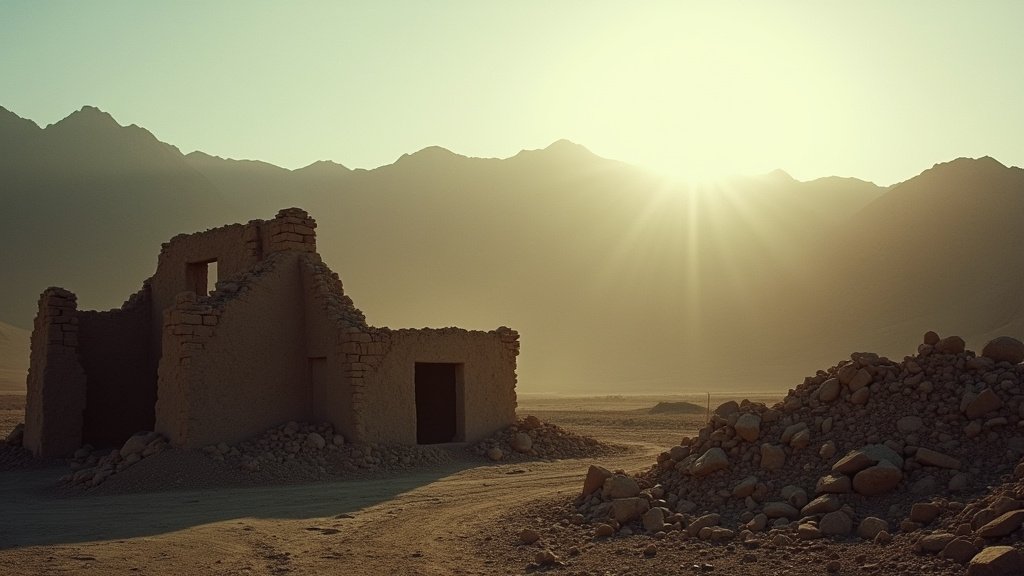
The death toll from the devastating earthquake that struck Afghanistan has risen sharply, with authorities confirming that a family of eight—who had recently returned to their homeland after living as refugees in Iran—were among the victims. The tragedy has compounded the suffering in a region already grappling with extreme poverty, infrastructure deficits, and the ongoing challenges of reintegrating returning populations. Rescue workers continue to sift through the rubble of destroyed homes in affected provinces, though their efforts are hampered by rugged terrain and limited access to heavy machinery.
The Human Cost of the Disaster
The loss of the eight-member family has become a somber symbol of the broader humanitarian crisis unfolding in the wake of the seismic event. Reports indicate that these individuals had sought safety in Iran for years before choosing to return to Afghanistan, only to encounter this natural disaster within their ancestral village. Local officials noted that many homes in the area were constructed from mud and stone, leaving them highly susceptible to collapse when the tremors hit. As families attempt to recover belongings and bury their dead, international aid agencies are warning of a secondary emergency: the displacement of survivors who are now without shelter in dropping temperatures.
Challenges in Emergency Response
Access to the most remote areas remains the primary hurdle for disaster relief teams. In many instances, the only way to reach the epicenter is via foot or motorbike, significantly slowing the delivery of medical supplies, clean water, and food. The lack of standardized building codes and the vulnerability of rural infrastructure have been highlighted as critical factors in the high casualty count. While some local and international NGOs are mobilizing on the ground, the scale of destruction requires sustained, large-scale support that many fear may be difficult to secure given the complex geopolitical landscape surrounding the region. Medical facilities in nearby provincial centers are currently overwhelmed, with reports of patients being treated on floors due to a lack of available beds and essential surgical equipment.
A Community Facing Multiple Crises
The earthquake is merely the latest blow to a population that has endured decades of instability. For many like the ill-fated family of eight, the decision to return was motivated by a desire to reconnect with their roots and escape the uncertainty of life in neighboring nations. Instead, they faced a calamity that has wiped out entire households in an instant. Economists and humanitarian analysts have pointed out that the loss of working-age adults, such as those in the decimated family, will have long-term repercussions for the local agricultural-based economy. As the search for survivors transitions into a recovery phase, the focus must shift to providing long-term shelter and psychological support for the thousands who have been rendered homeless, emphasizing the need for robust, transparent aid distribution channels to ensure that the most vulnerable receive the help they urgently need.