Portland’s culinary landscape is experiencing a tangible moment of flux, characterized by the strategic expansion of niche, high-quality concepts and the poignant conclusion of long-term local legacies. This week, the Pacific Northwest food community finds itself navigating a tale of two distinct trajectories: the high-energy collaborative growth of Dinger’s Deli at Wayfinder Beer, and the quiet, respectable closing of Roots Restaurant and Bar in Camas, driven by the retirement of its founder, Brad Root.
The Pivot to Partnership: Dinger’s Deli at Wayfinder Beer
The move by Dinger’s Deli to anchor the kitchen at Wayfinder Beer represents a sophisticated evolution in the Portland brewery-dining model. For years, the ‘brewery kitchen’ concept was often treated as an afterthought—a place to grab greasy bar snacks that could absorb excess IPA. However, the partnership with Dinger’s Deli signals a shift toward curated, destination-worthy dining.
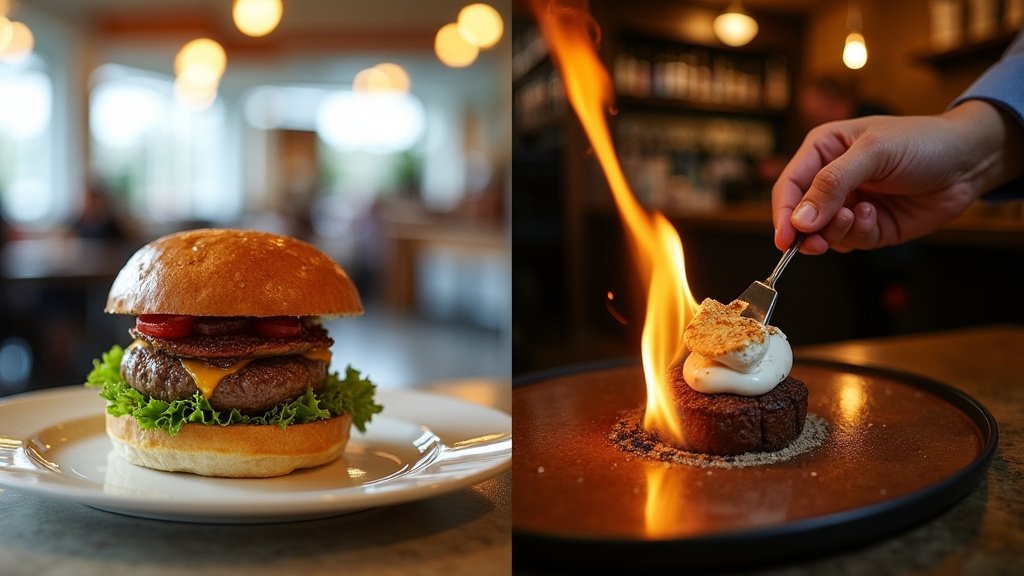
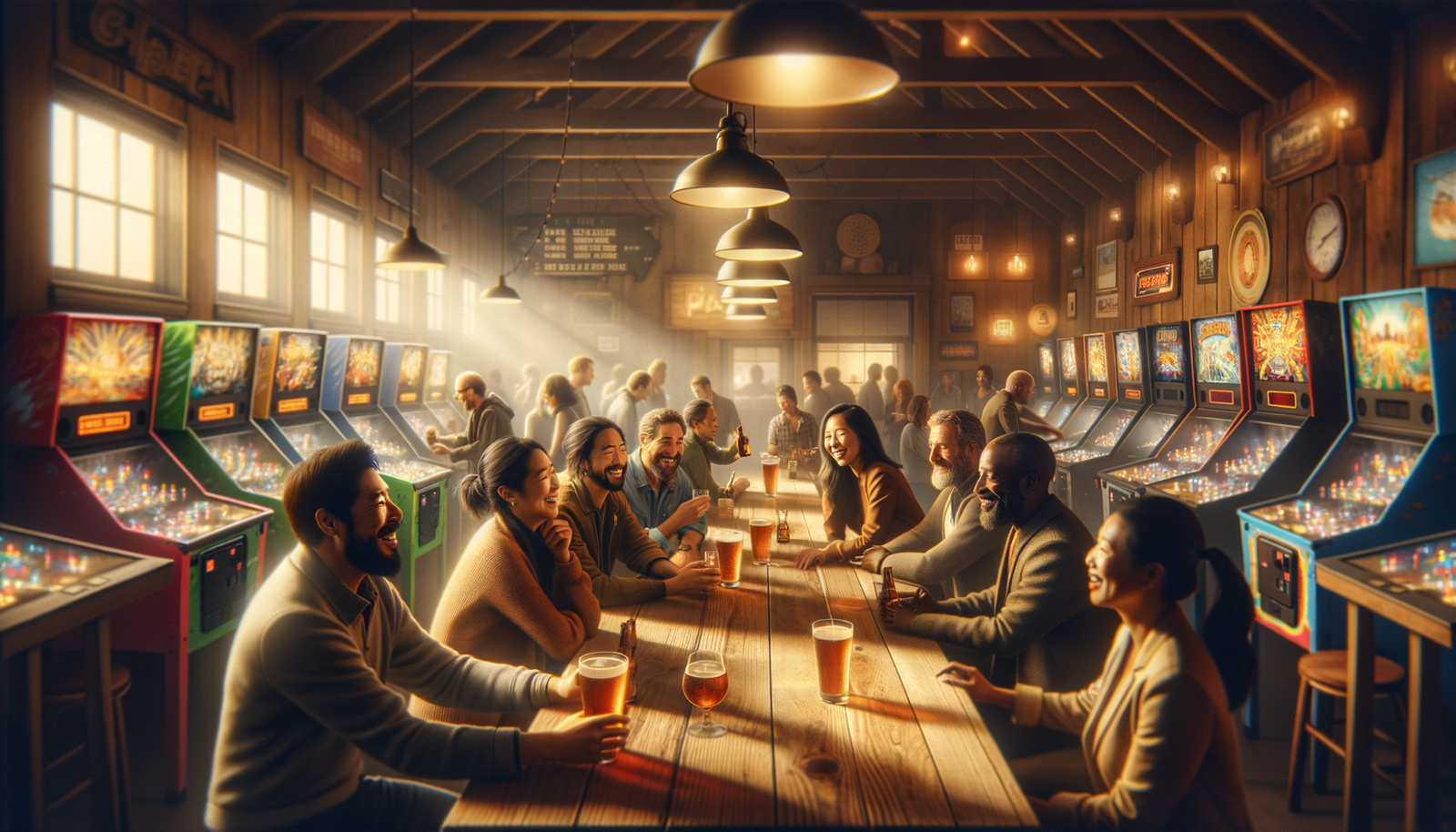
Dinger’s Deli, known for its commitment to classic Jewish deli traditions, brings a menu of high-specification sandwiches and comfort staples that demand culinary attention. By moving into the Wayfinder space, Dinger’s gains access to a built-in, sophisticated customer base that aligns with its own demographic: beer enthusiasts who prioritize quality, provenance, and authenticity. This residency model effectively lowers the overhead risk for the deli while elevating the hospitality experience for the brewery. It is a symbiotic relationship that maximizes the utility of the Wayfinder location—a venue already celebrated for its industrial-chic architecture and expansive, welcoming atmosphere. For patrons, the result is a seamless pairing: world-class lagers matched with the kind of deli fare that has been sorely missing from the immediate vicinity.
The End of an Era: The Retirement of Roots Restaurant and Bar
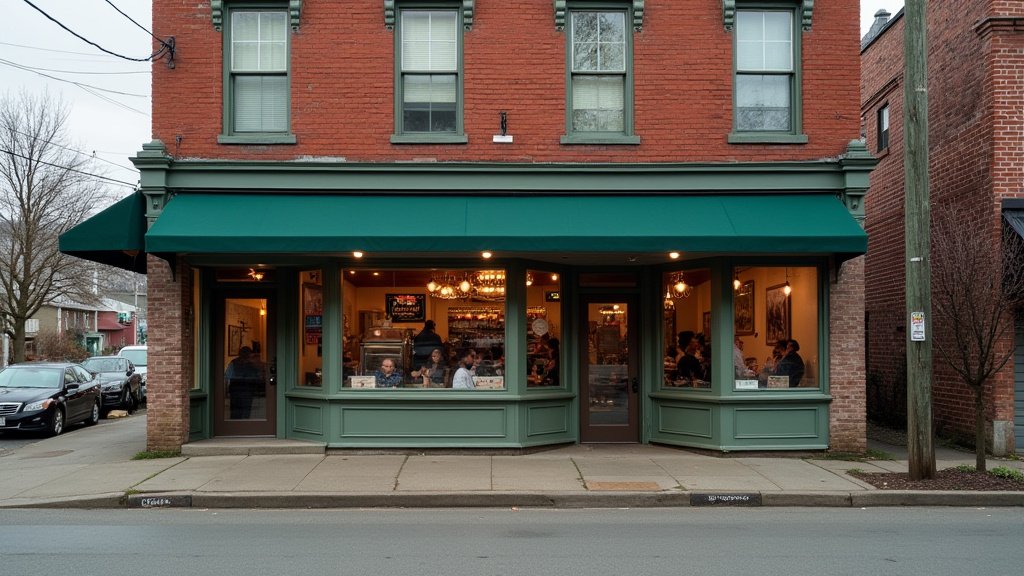
While Portland celebrates new growth, the city of Camas is adjusting to the loss of a foundational pillar. Roots Restaurant and Bar, which served as a central gathering point for the local community for nearly two decades, has officially shuttered its doors. The closure comes not due to lack of patronage, but as a result of owner Brad Root’s decision to retire.
In the restaurant industry, the ‘founder’s exit’ is a common, yet often tragic, point of closure for successful businesses. Brad Root’s tenure at the helm of the restaurant was defined by consistency and a localized philosophy that prioritized community building. Roots functioned as a ‘third place’—a space distinct from home and work where local business was conducted, anniversaries were celebrated, and the pulse of the Camas community was felt. The closure underscores the often-unspoken reality of independent restaurateurs: the business is intimately tied to the individual. When the owner opts for retirement, the transfer of brand equity is rarely as simple as a change of hands. Without Root’s specific vision and day-to-day stewardship, the establishment felt that its time had naturally concluded. It serves as a reminder to the local diner that even the most successful establishments are finite entities, bound by the professional longevity of their visionaries.
Broader Implications for the Pacific Northwest Hospitality Sector
The dual nature of these events—an expansion and a closure—offers a microcosm of the current state of the PNW hospitality economy. The industry is in a period of intense ‘right-sizing.’ We are seeing a distinct trend where independent, high-overhead, full-service restaurants are struggling with labor costs and succession planning, leading to more closures like that of Roots. Conversely, smaller, agile concepts like Dinger’s Deli are finding success by nesting within larger establishments, effectively sharing costs and foot traffic.
This shift is largely driven by a post-pandemic recalibration of consumer behavior. Diners are increasingly prioritizing specialized, high-quality food experiences rather than broad, full-service menus that try to cater to everyone. The residency model allows for a ‘lean’ operation that can adapt quickly to seasonal changes and fluctuating food costs. As we move further into the decade, expect to see more established brands migrating toward collaborative kitchen spaces. The ‘solo’ independent restaurant model is becoming a luxury of the past, increasingly replaced by creative partnerships that favor sustainability and resilience over traditional, singular-location brick-and-mortar operations.
Furthermore, the closure of Roots invites a conversation about commercial real estate in smaller metro suburbs. As Camas continues to grow, the void left by a staple like Roots provides a blank slate. Whether that space is filled by another long-term operator or a new, trendy concept remains to be seen, but the community impact of losing a familiar neighborhood anchor is significant, highlighting the importance of supporting local institutions while they are still in operation.