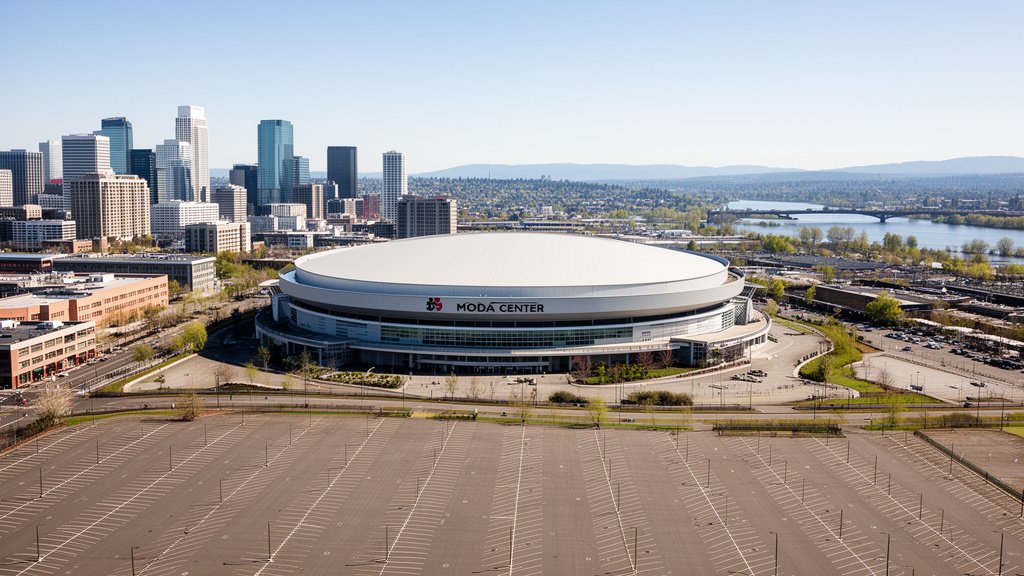
The Portland City Council has initiated a pivotal strategic shift in the city’s long-term urban planning, signaling an intent to designate the Albina Vision Trust (AVT) as the primary developer for city-owned land adjacent to the Moda Center. This decision arrives at a critical juncture, directly intersecting with the city’s high-stakes negotiations with Portland Trail Blazers owner Tom Dundon, who has requested a $600 million public investment for substantial renovations to the historic arena. By elevating the Albina Vision Trust, the City Council is not merely selecting a developer; it is making a profound statement about the future of the Rose Quarter and the city’s commitment to addressing historical inequities in the urban landscape.
The Legacy of Displacement and the Albina Vision Trust
To understand the magnitude of this potential designation, one must examine the history of the Lower Albina neighborhood. In the mid-20th century, this area served as the vibrant heart of Portland’s Black community before it was dismantled by urban renewal projects, including the construction of the Veterans Memorial Coliseum and the subsequent development of the Rose Quarter. The Albina Vision Trust was established as a direct response to this displacement. Its mission is deeply rooted in restorative justice, aiming to reconnect the neighborhood and re-establish a cohesive, mixed-use community where the historic destruction occurred.
The Trust operates with a mandate that transcends traditional profit-driven real estate development. Its vision emphasizes affordable housing, public green spaces, and cultural markers that honor the history of the neighborhood. For the Portland City Council to place the Albina Vision Trust at the helm of development near the Moda Center is to prioritize community-centric healing over standard commercial extraction. This move reflects a growing sentiment within local government that public land should serve the public good, particularly in areas that have historically been marginalized by state-led development.
The High-Stakes Financial Tug-of-War
The timing of this consideration is significant, occurring as the city grapples with the financial demands of the Portland Trail Blazers. The arena, which has served as the city’s premier sports and entertainment venue since 1995, is facing infrastructure challenges that the ownership group asserts necessitate a $600 million upgrade. This request for public funding has sparked intense debate regarding the role of municipal budgets in subsidizing private, for-profit sports entities.
By potentially naming the Albina Vision Trust as the developer for the adjacent lands, the City Council is effectively decoupling the broader Rose Quarter development plan from the specific arena renovation demands of the Trail Blazers. This strategic separation allows the city to negotiate the arena deal on its own merits while ensuring that the surrounding land—an incredibly valuable asset—is managed by an entity that aligns with the city’s equity and housing goals. The City Council must now balance the economic realities of maintaining a major league sports facility with the social responsibility of revitalizing a neighborhood that was sacrificed for that very facility decades ago.
Structuring the Future: The Development Agreement
Should the City Council finalize the agreement with the Albina Vision Trust, the move would unlock a massive opportunity for urban densification. The land adjacent to the Moda Center, currently serving primarily as surface parking or underutilized buffer zones, represents prime real estate with high transit connectivity. The Albina Vision Trust’s proposed development plans typically envision a ‘complete neighborhood’ model: high-density residential units, retail spaces that support local minority-owned businesses, and improved pedestrian infrastructure that bridges the gap between the Willamette River and the inner city.
However, the technical hurdles are substantial. Any development agreement will need to navigate zoning complexities, potential environmental remediation of the site, and the logistical challenges of integrating new construction with the daily operations of the Moda Center, which hosts hundreds of events annually. The city’s legal and planning departments are currently conducting due diligence to ensure that the partnership with the Albina Vision Trust is legally sound and financially viable, ensuring that the project does not become a fiscal liability for the taxpayers.
Urban Synergy: Aligning Sports, Community, and Economy
The central challenge for Portland officials is creating a symbiotic relationship between the Moda Center and its surroundings. Historically, the arena has functioned as an ‘island’—a destination that draws crowds but lacks the integration required for a thriving, year-round urban neighborhood. The Albina Vision Trust model promises to change this by creating a 24/7 destination that thrives even when the Blazers are not playing.
This approach aligns with Portland’s 2035 Comprehensive Plan, which advocates for transit-oriented development and increased housing density. If successfully executed, the development of the Rose Quarter footprint could serve as a national model for how to fix the errors of 20th-century urban renewal. It transforms the conversation from one solely about ‘how much taxpayer money goes to the arena’ to one about ‘how much value can this land create for the citizens of Portland.’ As the Council moves toward a final decision, all eyes will be on how effectively they can maintain the leverage required to negotiate with the Blazers while simultaneously empowering the Albina Vision Trust to reshape the city’s heart.