The Middle East stands at a precarious precipice today as a direct military confrontation between the United States and Iran has escalated significantly. Following a series of targeted U.S. military strikes on Iranian infrastructure executed on Tuesday, September 2, the Islamic Republic of Iran has launched immediate retaliatory attacks against targets located in Jordan, Bahrain, and Kuwait. President Donald Trump has issued a stern ultimatum, warning that any continuation of these retaliatory measures by Tehran will be met with even more severe military consequences. The sudden expansion of hostilities to U.S.-aligned nations across the region marks a volatile shift in the long-standing geopolitical friction between Washington and Tehran.
Key Highlights
- Immediate Retaliation: Iran launched targeted strikes against locations in Jordan, Bahrain, and Kuwait following U.S. offensive operations on Sept 2.
- U.S. Response: President Trump has issued a formal warning of “harder” and more comprehensive military action if the strikes against regional allies persist.
- Escalation Potential: The involvement of Jordan, Bahrain, and Kuwait signifies a widening of the conflict beyond the direct U.S.-Iran theater.
- Security Alert: Regional military and diplomatic entities are on high alert as the threat of a full-scale conflict looms over the Persian Gulf and the Levant.
The September 2nd Escalation: A New Security Paradigm
The events of September 2, 2025, represent a significant departure from the localized tensions that have defined U.S.-Iran relations for decades. The U.S. military strikes, which commenced early Tuesday, were framed by defense officials as a necessary intervention against Iranian-backed military capacity. However, the subsequent Iranian response—a coordinated strike effort against the sovereign territories of Jordan, Bahrain, and Kuwait—indicates that Tehran has shifted its strategy to target the broader security architecture of the U.S. in the Middle East.
The Strategic Importance of the Targeted Nations
The decision by Iranian forces to target Jordan, Bahrain, and Kuwait is not incidental. These nations host critical U.S. military infrastructure, including logistics hubs and naval facilities that are vital to American power projection in the region. By striking these targets, Tehran is clearly attempting to fracture the regional defense consensus that the United States has spent years cultivating. Jordan acts as a crucial buffer zone in the Levant, while Bahrain is home to the U.S. Fifth Fleet, and Kuwait serves as a primary forward-operating base for American ground forces. The attacks against these specific locations appear intended to demonstrate that U.S. regional allies are no longer insulated from the fallout of the U.S.-Iran military competition.
The Presidential Ultimatum and Future Doctrine
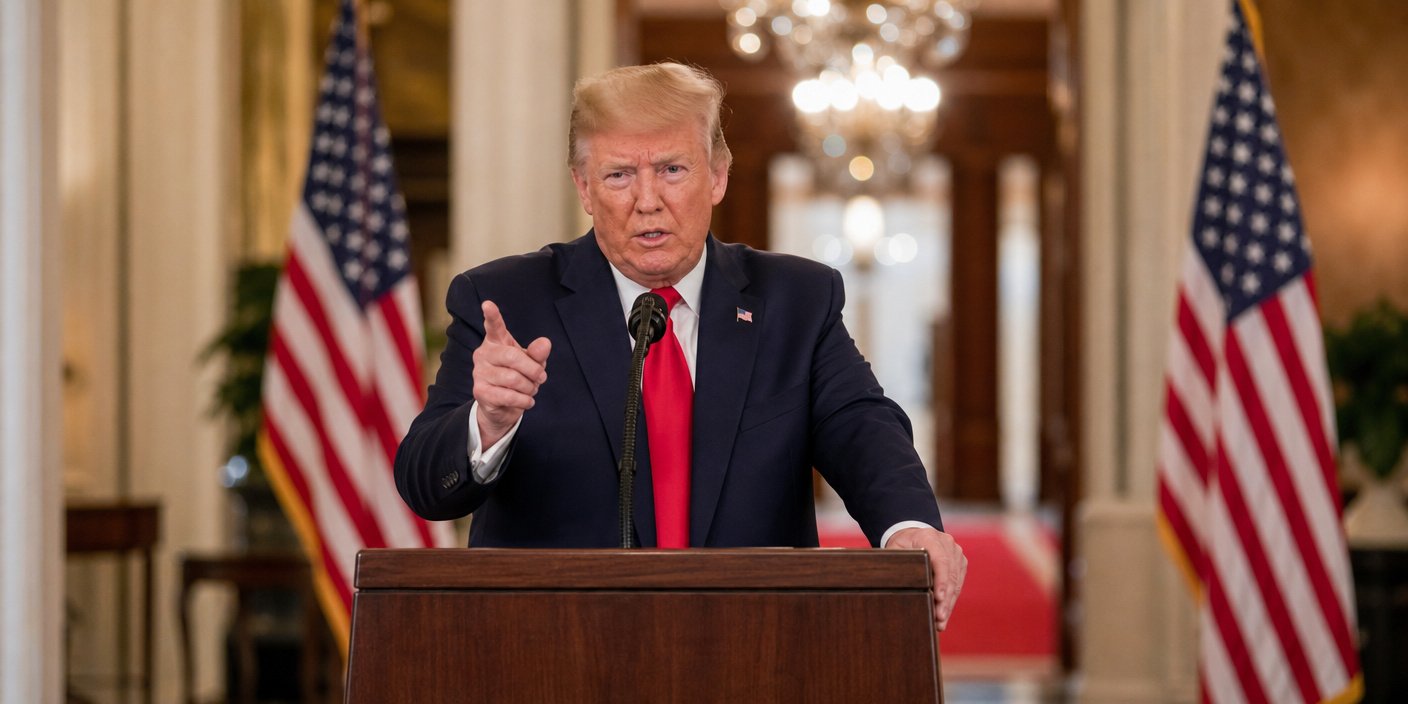
President Trump’s response was swift and uncompromising. From the White House, the administration clarified that the current cycle of escalation was initiated by Iran’s regional destabilization efforts, culminating in the September 2 offensive. Trump’s warning of “harder” strikes suggests that the Pentagon has already prepared contingency plans for an intensified air and naval campaign. This doctrine of “maximum pressure” aims to signal to the Iranian leadership that the cost of continued aggression will be systemic degradation of their military and economic infrastructure. The White House has also engaged in urgent diplomatic outreach to the leadership of the targeted nations, pledging continued U.S. support and defensive assistance.
Economic and Global Stability Implications
The immediate impact of this rapid escalation has been felt across global financial and energy markets. With the Persian Gulf being a primary artery for global oil and liquefied natural gas shipments, any threat of prolonged conflict in the region forces a sharp rise in geopolitical risk premiums. Traders are bracing for volatility, particularly as the market assesses the durability of the supply chains passing through the Strait of Hormuz. Beyond the energy sector, there is grave concern regarding the potential for cyber-warfare, which intelligence experts believe could be the next vector for Iranian retaliation. As the region navigates this crisis, the priority for international stakeholders remains preventing a miscalculation that could lead to an uncontrolled, region-wide war.
FAQ: People Also Ask
1. Why did the U.S. launch strikes on September 2?
The U.S. strikes were authorized in response to what the administration described as ongoing Iranian military aggression and threats to regional stability, specifically targeting Iranian infrastructure believed to be facilitating militant activities.
2. Why was the retaliatory strike directed at Jordan, Bahrain, and Kuwait?
These countries host major U.S. military bases and logistics centers. By attacking these locations, Iran is attempting to pressure U.S. allies and challenge the American military presence in the Middle East, effectively escalating the conflict beyond direct U.S.-Iran engagement.
3. What does President Trump mean by “harder” strikes?
The term refers to a significant escalation in military force, potentially involving larger-scale aerial campaigns, deeper strikes into Iranian domestic infrastructure, or a more direct application of U.S. combat power against high-value Iranian targets that have previously been avoided.
4. Is there an immediate risk of a wider regional war?
The situation remains fluid. Analysts note that while both sides are currently signaling strength, the involvement of regional U.S. allies significantly raises the threshold for miscalculation and accidental expansion of the conflict.