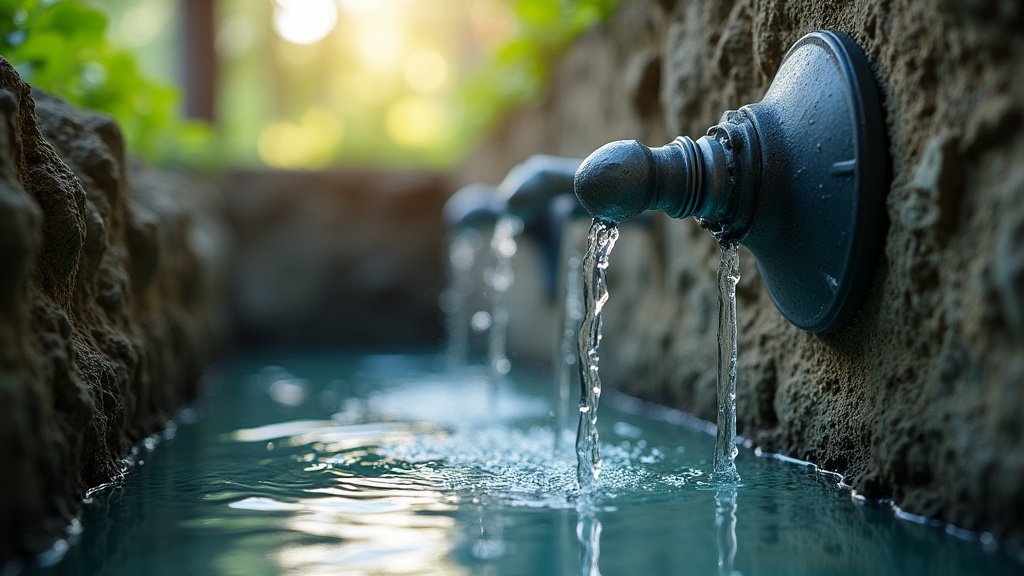
A groundbreaking residence in Bend, Oregon, has set a new benchmark for sustainable living by incorporating an advanced rainwater harvesting system, significantly reducing its reliance on municipal water supplies. This innovative home, designed and built to the highest environmental standards, exemplifies how conscientious architecture can mitigate water scarcity and promote ecological responsibility.
Key Highlights:
- Advanced rainwater harvesting system integrated into home design.
- Significant reduction in reliance on external water sources.
- Built to the highest environmental standards, showcasing sustainable architecture.
- Serves as a model for future eco-friendly construction in water-conscious regions.
- Potential for broader adoption of similar water-saving technologies.
Bend’s Pioneer Home: A Deep Dive into Water Self-Sufficiency
The construction of this remarkable home in Bend, Oregon, represents a significant leap forward in sustainable building practices, particularly concerning water management. The core of its environmental achievement lies in a sophisticated rainwater harvesting system that meticulously collects, filters, and stores precipitation. This system is not merely an add-on but an integral part of the home’s design, seamlessly integrated into its roofing and drainage infrastructure. By capturing rainwater, the residence dramatically lessens its dependence on the local water grid, a critical consideration in regions facing increasing water stress. The architects and builders prioritized materials and methods that not only reduce environmental impact during construction but also ensure long-term efficiency and minimal ecological footprint throughout the home’s lifespan. This holistic approach to sustainability encompasses energy efficiency, waste reduction, and the use of non-toxic, renewable materials, all contributing to a healthier living environment and a reduced carbon footprint.
The Technology Behind the Water Collection
The rainwater harvesting system employed in the Bend residence is a marvel of engineering. It begins with a specially designed roof surface that channels water efficiently towards a series of filters. These filters are multi-stage, designed to remove debris, sediment, and potential contaminants before the water enters large, underground storage cisterns. The collected water is then treated through a purification process that often includes UV sterilization and additional fine filtration, making it suitable for a variety of household uses, including drinking, cooking, and sanitation. The system’s intelligence lies in its monitoring capabilities, which track water levels, filter status, and system performance, allowing for optimal operation and maintenance. This advanced setup not only conserves water but also provides a degree of water security for the homeowners, insulating them from potential water shortages or disruptions in municipal supply.
Environmental Standards and Certification
This home has been meticulously designed and constructed to meet and exceed rigorous environmental standards. While specific certifications may vary, the commitment to highest-level eco-design is evident. This often translates to achieving certifications like LEED Platinum or Living Building Challenge, which recognize buildings that demonstrate exceptional performance in areas such as water efficiency, energy use, materials selection, and indoor environmental quality. The incorporation of a comprehensive water harvesting system is a key component in achieving such high-level certifications, underscoring the home’s dedication to resource conservation and ecological stewardship. The focus extends beyond just water; the home likely features high-performance insulation, energy-efficient windows, solar panels, and a design that maximizes natural light and ventilation, further reducing its environmental impact.
The Future of Sustainable Housing in Bend
The success of this eco-home in Bend offers a compelling blueprint for future residential development. As climate change intensifies and water resources become more strained, the adoption of advanced water management systems will become increasingly crucial. This project demonstrates that sustainable living does not require a compromise on comfort or aesthetics; rather, it can enhance them. The principles applied here—from integrated water harvesting to energy-efficient design—can be replicated and adapted to various climates and architectural styles. Local authorities and developers in Bend and beyond can look to this residence as a prime example of how to build resilient, environmentally responsible communities that are better prepared for the challenges of the future. The economic benefits, including lower utility bills and increased property value, also make such investments increasingly attractive.
FAQ: People Also Ask
What are the main benefits of rainwater harvesting?
Rainwater harvesting conserves potable water, reduces stormwater runoff, lowers utility bills, and can provide a supplementary water source, especially beneficial in drought-prone areas. It also reduces the strain on municipal water treatment facilities.
Is harvested rainwater safe to drink?
Harvested rainwater can be safe to drink after proper filtration and purification. Systems often include multi-stage filters, UV treatment, and regular testing to ensure water quality meets safety standards for potable use.
What are the environmental standards mentioned?
Environmental standards for buildings typically refer to certifications like LEED (Leadership in Energy and Environmental Design) or the Living Building Challenge, which assess a building’s performance in areas like energy efficiency, water conservation, material sourcing, and indoor air quality.
How much water can a home realistically collect from rainwater?
The amount of water collected depends on the roof area, local rainfall patterns, and the efficiency of the collection system. In areas with significant rainfall, a well-designed system can supply a substantial portion, sometimes all, of a household’s water needs.
What are the challenges of implementing rainwater harvesting systems?
Challenges include the initial cost of installation, the need for regular maintenance of filters and storage tanks, potential for contamination if not managed properly, and local regulations that may govern rainwater harvesting practices.