Invasive Quagga Mussels Detected at Ashland Inspection Station
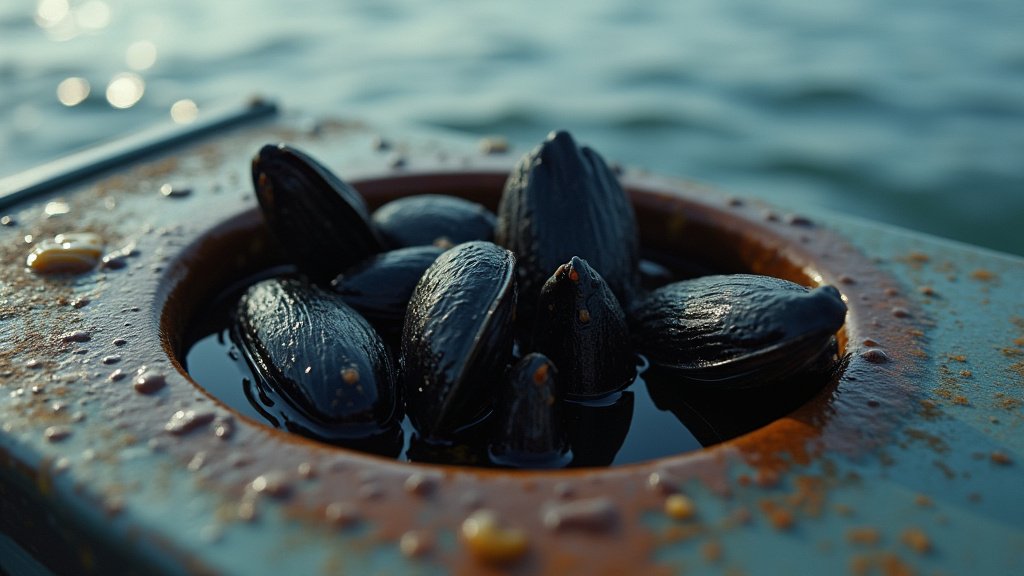
Oregon Department of Fish and Wildlife (ODFW) staff have intercepted invasive quagga mussels on a motorboat entering the state, marking the first such discovery in 2026. The mussels were found on March 21 at the Ashland Boat Inspection Station on a vessel being transported from Lake Havasu, Arizona. Station crews promptly decontaminated the boat and disposed of all mussels, preventing a potential invasion of Oregon’s waterways.
Threat to Oregon’s Ecosystems and Infrastructure
Quagga mussels are a highly invasive freshwater species known for their rapid reproduction and significant ecological and economic impact. They pose a serious threat to native food chains and can cause extensive damage by clogging dams, irrigation systems, and drinking water infrastructure. The potential consequences of an established quagga mussel population in Oregon include ecological disruption and billions of dollars in infrastructure repair costs.
Idaho’s Battle with Quagga Mussels
Neighboring Idaho has already invested millions of dollars since 2023 in efforts to eradicate quagga mussels from parts of the Snake River. This ongoing struggle highlights the significant resources and challenges involved in managing these invasive species. The discovery near Twin Falls, Idaho, underscores the proximity of the threat to Oregon’s borders.
ODFW’s Prevention Efforts and Public Alert
ODFW emphasizes the importance of its boat inspection program as the “first line of defense” against aquatic invasive species. Under Oregon law, all vehicles transporting watercraft are required to stop at open inspection stations for aquatic invasive species checks. These stations are identified by “Boat Inspection Ahead” signs followed by “Inspection Required for All Watercraft”.
ODFW spokesman Adam Baylor stated that while quagga, zebra, or golden mussels have never been detected in Oregon’s waterways, they have been intercepted multiple times at inspection stations. Keith DeHart, ODFW Invasive Species Coordinator, urged the public to “always clean, drain and dry your boat before transporting it” to protect Oregon’s valuable natural resources.
Historical Interceptions and Statistics
In 2025, Oregon crews decontaminated 12 watercraft carrying invasive freshwater mussels and intercepted an additional 295 watercraft for other types of aquatic biofouling, such as Eurasian Watermilfoil. Since the Watercraft Inspection Stations program began in 2010, ODFW has inspected a significant number of watercraft, intercepting over 185 watercraft with invasive freshwater mussels. The Ashland inspection station is noted as the state’s busiest.
Reporting Invasive Species
To report an invasive freshwater mussel on watercraft or in a waterway, the public is encouraged to call the Oregon Invasive Species hotline at 1-866-INVADER or visit their website.
FAQ: People Also Ask
What are quagga mussels and why are they a problem?
Quagga mussels are an invasive freshwater species that reproduce rapidly. They pose a significant threat to native food chains and can cause extensive damage to infrastructure such as dams, irrigation systems, and drinking water supplies. Their presence can also lead to substantial economic costs for eradication and repair.
What is the Oregon Department of Fish and Wildlife doing to prevent quagga mussel introductions?
The ODFW operates a robust boat inspection program at various stations across the state. These inspections are a critical first line of defense. Oregon law mandates that all boats entering the state must stop at open inspection stations. ODFW staff also decontaminate any vessels found to be carrying invasive species.
What should boaters do to prevent the spread of invasive species?
Boaters are strongly advised to “clean, drain, and dry” their boats and trailers before transporting them. This includes removing all visible plants and animals, draining all water from bilges, ballast tanks, and live wells, and allowing the boat to dry thoroughly. It is also crucial to be aware of and comply with all inspection requirements when entering Oregon.