Key Takeaways
Genre Pivot: Jack Harlow has officially released Monica*, a nine-track neo-soul and R&B project marking a sharp departure from his trap-pop roots.
Controversial Comments: During a promotional interview on the New York Times* Popcast, Harlow claimed he “got Blacker” with this project to avoid the “safer” routes of his white contemporaries.
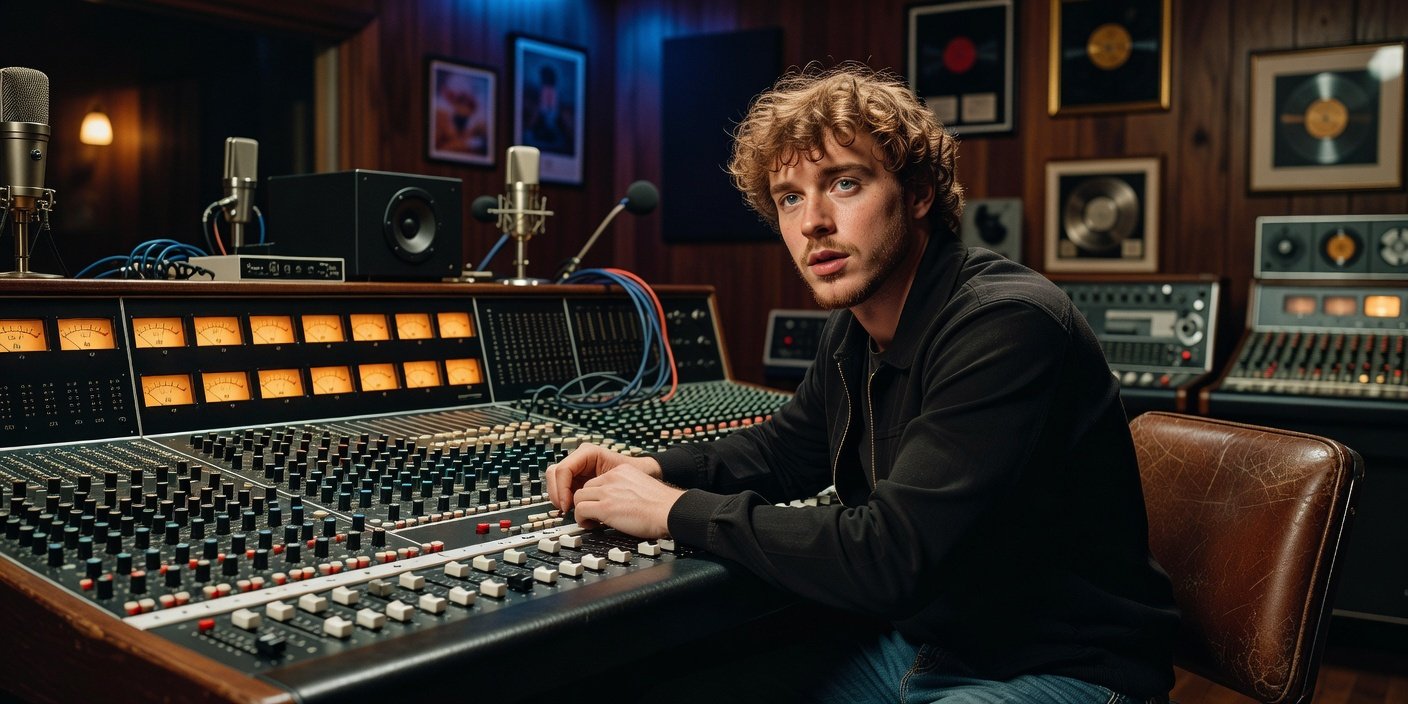
- Production Pedigree: The album was recorded at the legendary Electric Lady Studios and features collaborations with Robert Glasper, Ravyn Lenae, and Omar Apollo.
- Mixed Reception: While some fans praise the artist’s vulnerability and “yearning,” major critics and commercial projections suggest the album may be a significant financial misfire.
Summary Lead
On March 13, 2026—his 28th birthday—Louisville-born superstar Jack Harlow surprised the industry by dropping his fourth studio album, titled Monica. Far from the “First Class” hitmaker’s usual high-energy rap anthems, the Jack Harlow Neo Soul-Inspired Monica Album is a moody, melodic exploration of R&B and soul. Recorded at the historic Electric Lady Studios in New York City, the project aims to pay homage to 90s soul legends like D’Angelo. However, the release has been overshadowed by Harlow’s polarizing comments regarding his artistic identity and a projected steep decline in first-week sales figures.
The Deep Dive
From Rap Star to Soul Crooner
Jack Harlow’s transition into the neo-soul space wasn’t entirely unannounced, but the execution has left many reeling. For years, Harlow dominated the charts with slick one-liners and a charismatic presence that bridged the gap between underground credibility and pop-radio ubiquity. With Monica, he has effectively wiped the slate clean. The album consists of nine tracks, including standouts like “Trade Places,” “Lonesome,” and “Say Hello,” which lean heavily into atmospheric, lofi R&B production.
Moving from Atlanta to New York City appears to have been the catalyst for this transformation. Harlow noted in recent interviews that his environment dictates his output, and the ghost of Voodoo-era D’Angelo seems to haunt the halls of Electric Lady Studios where Monica took shape. By enlisting jazz fusion heavyweight Robert Glasper and soulful vocalists like Ravyn Lenae, Harlow attempted to ground the project in authentic musicianship. Yet, for an artist who rose to fame on the strength of his pen, the shift toward “rap-singing” and melodic yearning has left his core hip-hop audience divided.
The Controversy of “Getting Blacker”
While the music itself is a talking point, Harlow’s media circuit has proven even more explosive. Speaking on the New York Times Popcast, the rapper-turned-singer addressed the politics of being a white artist in a Black-dominated genre. Harlow stated that he felt it was important to delve deeper into R&B rather than retreating into “traditionally White sounds” like country or pop-rock—a move many interpreted as a slight toward peers like Post Malone or Machine Gun Kelly.
His specific comment—that he “got Blacker” during the making of the project—has ignited a firestorm on social media. While Harlow likely intended to signal his respect and immersion in R&B culture, the phrasing has been labeled “tone-deaf” by critics and industry veterans alike. TDE’s Punch and other figures have weighed in, questioning the optics of a white artist claiming to adopt a racial identity through musical genre. This “culture vulture” discourse has distracted from the technical merits of the album, leading to a wave of memes and derogatory nicknames across X (formerly Twitter).
Critical Backlash and Commercial Struggle
Beyond the social discourse, the professional reception to the Jack Harlow Neo Soul-Inspired Monica Album has been notably harsh. Heavyweight critics, including Anthony Fantano and Pitchfork, have panned the record, with the latter suggesting that Harlow lacks the vocal range and depth required to carry a full-length R&B project. The consensus among detractors is that while the production is lush, the performance feels like a “coffee shop” imitation of the greats.
This critical drubbing is being reflected in the numbers. Early projections suggest Monica will debut with approximately 25,000 units in its first week. This is a staggering nosedive from the 113,000 units moved by his 2022 effort, Come Home The Kids Miss You. For a major-label artist of Harlow’s stature, failing to break into the Top 20 of the Billboard 200 represents a significant commercial crisis. Harlow now finds himself at a crossroads: does he double down on this soulful evolution, or return to the witty, commercial rap that made him a household name?
FAQ: People Also Ask
Is the singer Monica featured on Jack Harlow’s new album?
No, the legendary R&B singer Monica does not appear on the tracklist, although the album’s title and sonic direction are widely seen as a tribute to the 90s R&B era she helped define.
Where was Jack Harlow’s album ‘Monica’ recorded?
The album was recorded at Electric Lady Studios in New York City, the same location where D’Angelo recorded the neo-soul classic Voodoo and Erykah Badu recorded Mama’s Gun.
Who are the guest features on ‘Monica’?
The project features contributions from Robert Glasper, Ravyn Lenae, Omar Apollo, and James Savage, signaling a move toward more collaborative, musician-led production.