Key Takeaways
- Media Critique: Defense Secretary Pete Hegseth accused major news outlets of deliberately using “unpatriotic” headlines to describe the U.S. military campaign in Iran.
- Operation Epic Fury: Hegseth claimed the U.S.-Israeli air campaign has struck over 15,000 targets, functionally defeating Iran’s missile production and naval capabilities.
- Proposed Headlines: The Secretary suggested media outlets replace headlines like “Mideast War Intensifies” with “Iran Increasingly Desperate.”
- Pentagon Restrictions: Reports emerged that the Pentagon has restricted press photographers after the publication of what aides deemed “unflattering” images of the Secretary.
- Casualty Controversy: Hegseth addressed a U.S. investigation into a strike on an Iranian school that killed 175 people, while simultaneously dismissing media focus on civilian costs.
Summary Lead
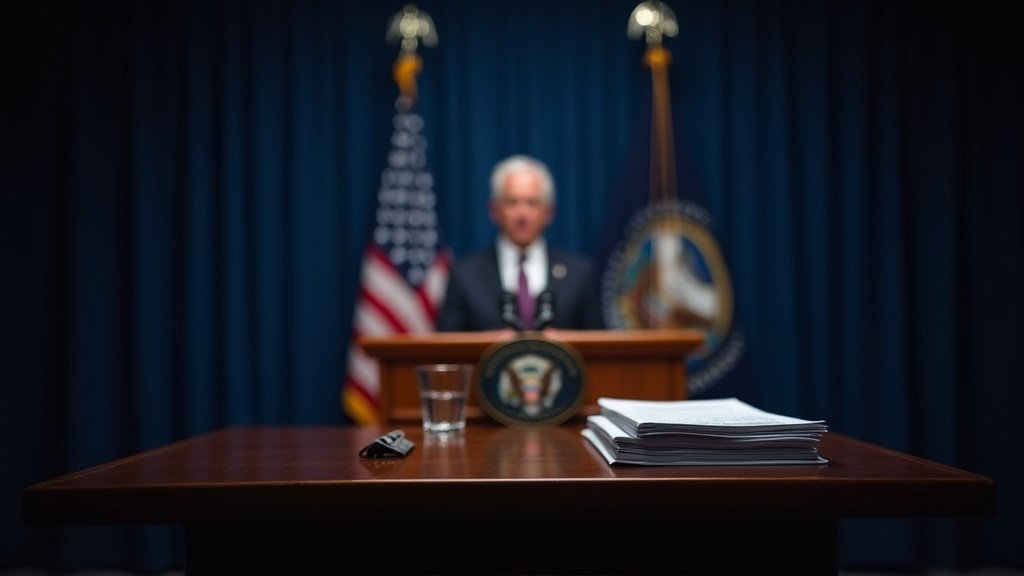
WASHINGTON — In a combative Pentagon press briefing on March 13, 2026, Defense Secretary Pete Hegseth unleashed a scathing critique of the American media, claiming journalists are failing to provide a “positive” or “patriotic” account of the ongoing war with Iran. Speaking alongside General Dan Caine, Hegseth asserted that Operation Epic Fury has successfully decimated the Iranian regime’s military infrastructure, rendering their navy and air defenses ineffective. Despite these claims of total dominance, the Secretary spent a significant portion of the briefing berating reporters for focusing on the war’s escalation and civilian casualties rather than celebrating American military gains.
The Deep Dive
As the conflict between the United States and Iran enters its third week, the rhetorical battle at home is reaching a fever pitch. Pete Hegseth attacks media organizations for what he calls a “fundamental lack of seriousness” and a refusal to acknowledge the scale of U.S. military success.
The War Over Words
Hegseth’s primary grievance involves the “banners” and “chyrons” used by legacy networks like CNN and MSNBC. During the briefing, the Secretary took the unusual step of offering editorial corrections to the press corps. “People look up at the TV and they see these banners—’Mideast War Intensifies,'” Hegseth remarked. “What should the banner read instead? How about: ‘Iran Increasingly Desperate.’ That is the reality on the ground, yet you choose the narrative of chaos.”
He further took aim at CNN, suggesting the network’s reporting on shipping disruptions in the Strait of Hormuz was “unserious.” Hegseth’s frustration coincides with a broader effort by the Trump administration to exert tighter control over the visual and narrative flow of the war, including the controversial decision to bar certain press photographers from briefings.
Strategic Success vs. Humanitarian Costs
While Pete Hegseth attacks media bias, he also provided significant updates on the operational status of the conflict. According to the Pentagon, more than 15,000 targets have been neutralized since the onset of Operation Epic Fury on February 28. Hegseth claimed that Iran’s ballistic missile production lines have been “functionally defeated” and that its senior leadership is currently “cowering underground.”
However, independent analysts and international observers have pointed to a disconnect between the Secretary’s rhetoric and the situation on the ground. Video footage from Tehran today showed high-ranking Iranian officials, including President Masoud Pezeshkian, participating in public rallies—challenging Hegseth’s claim that the leadership is in hiding.
Furthermore, the Secretary faced sharp questioning regarding a preliminary military investigation into an airstrike on a school in Minab, which reportedly killed at least 175 people, many of them children. Hegseth acknowledged the investigation but criticized the media’s “breathless” focus on the tragedy, arguing that the focus should remain on the broader goal of preventing a nuclear-armed Iran.
Restricted Access at the Pentagon
The tension in the briefing room was exacerbated by reports that the Department of Defense has begun limiting access for print photographers. Insider reports suggest that the Secretary’s staff grew frustrated with the publication of “unflattering” photos taken during previous briefings. The move has sparked a backlash from press freedom advocacy groups, who argue that the administration is prioritizing image management over transparency during a time of major international conflict.
FAQ: People Also Ask
What is Operation Epic Fury?
Operation Epic Fury is the codename for the joint U.S.-Israeli military campaign launched on February 28, 2026, aimed at degrading Iran’s military infrastructure and preventing the regime from acquiring nuclear weapons.
Why did Pete Hegseth attack the media?
Hegseth accused news outlets of being “unpatriotic” by focusing on the escalation of the war and civilian casualties rather than the success of U.S. strikes. He specifically criticized headline choices that he believes portray the administration’s strategy as faltering.
Are there restrictions on journalists at the Pentagon?
Yes, recent reports indicate that the Pentagon has restricted press photographers from certain briefings. Aides reportedly made the decision after the distribution of photos of Secretary Hegseth that were deemed “unflattering.”