A severe snow drought grips the American West. Record warmth is stifling snow accumulation. This news has experts very concerned. It threatens vital water supplies. It also raises wildfire risk. Snow cover is at historic lows. Many weather stations report record December to February warmth.
States Report Deepest Snow Deficits
Oregon is facing a major crisis. Its statewide snowpack is the lowest on record. It is nearly 30% below the prior record. Colorado and Utah also report their smallest snowpacks. These records go back to the early 1980s. Nearly every Western state has stations with record-low snow. Critical basins are severely affected. This includes the Upper Colorado River and Deschutes basins. The snowpack acts as a natural reservoir. It stores water for spring and summer use. This stored water is crucial for drinking water and irrigation. It also supports ecosystems and hydropower.
Warmth Drives Snow Drought
The snow drought is driven by unusual warmth. It is also caused by scant precipitation. January was exceptionally dry for most states. Many areas received half their average precipitation. Warm temperatures cause precipitation to fall as rain instead of snow. This rain runs off quickly. It does not build the snowpack. Mark Serreze, director of the National Snow and Ice Data Center, calls the pattern “unprecedented”. He has “not seen a winter like this before”. This persistent pattern is a major concern.
Water Supplies Teeter on the Edge
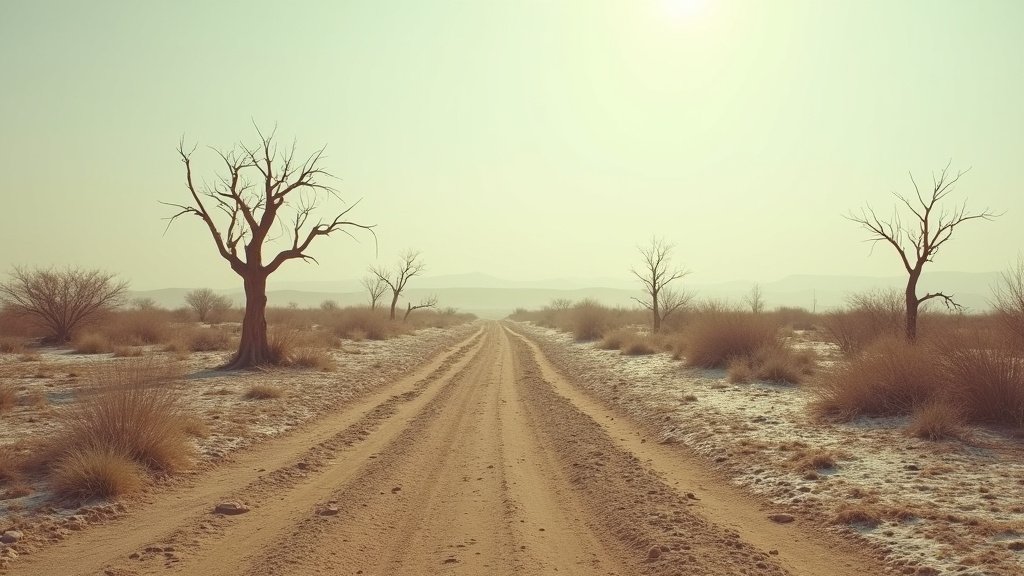
Reduced snowpack means less water for rivers. This directly impacts major basins like the Colorado River. Water forecasts signal shortages in key areas. The Upper Colorado River Basin faces severe drought. Lake Powell is only about a quarter full. Water supply forecasts for Lake Powell are grim. They predict water flow at just 38% of average. Snowmelt provides up to 75% of the West’s annual water supply. Without adequate snowpack, rivers run lower. Soils dry out faster. Drought conditions can deepen. This affects agriculture and communities. Farmers and ranchers may face hardship.
Wildfire Dangers Rise with Early Thaw
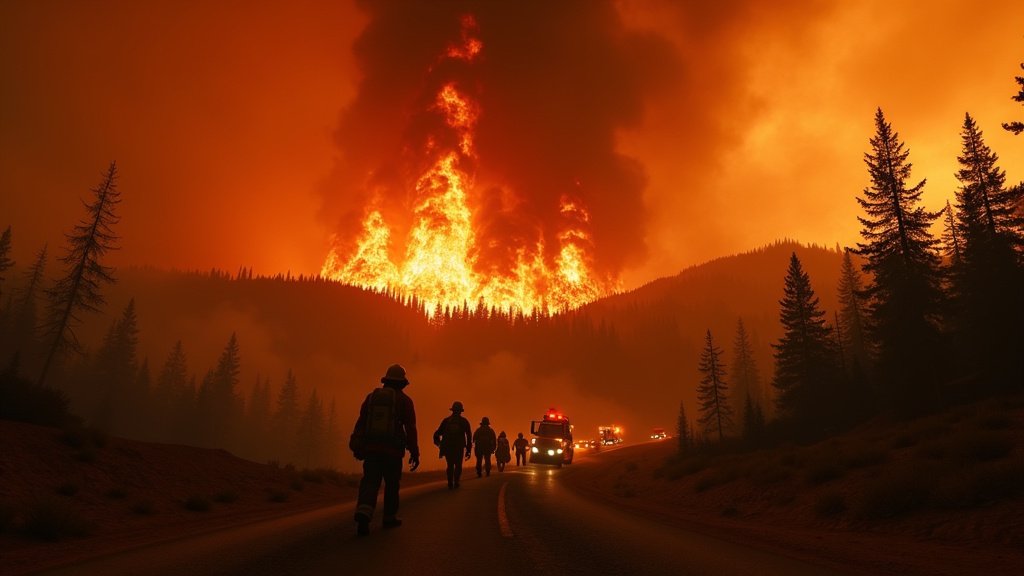
Experts warn of an early wildfire season. The early disappearance of snow exposes the ground. This primes regions for prolonged fire activity. Warmer spring and summer weather dries soils and vegetation quicker. Daniel McEvoy, a researcher with the Western Regional Climate Center, noted this risk. Low snowpack typically means an earlier, longer fire season. This is especially true if spring is warm and dry. Wildfires can degrade water quality. They increase sediment entering streams. This impacts aquatic habitats and reservoirs.
Impacts on Winter Tourism and Economies
Ski resorts are already struggling. Some resorts have suspended operations. Others remain closed. Winter tourism suffers greatly from low snow. This affects local economies that rely on winter sports. The ski industry faces significant challenges. Studies show losses in resort revenue and jobs during low-snow years. This situation highlights the economic vulnerability of these regions.
Climate Change Connection
Scientists attribute these snow drought conditions to climate change. Burning fossil fuels contributes to warmer winters. While one winter doesn’t prove climate change, future winters will likely be similar. This pattern of warming is expected to continue. The changing climate impacts snowpack levels. It makes precipitation fall as rain more often. This affects water availability for cities, wildlife, and farms. It also influences the duration of wildfire seasons.
Looking Ahead
Some forecasts suggest wetter conditions are possible soon. However, warmer temperatures are still favored in many areas. This could inhibit snowpack development. Significant snowfall is still needed. A “miracle March” could help alleviate some concern. However, large snow deficits will be difficult to overcome. The current situation requires careful water management and fire preparedness. The news highlights the urgent need to address climate change impacts.