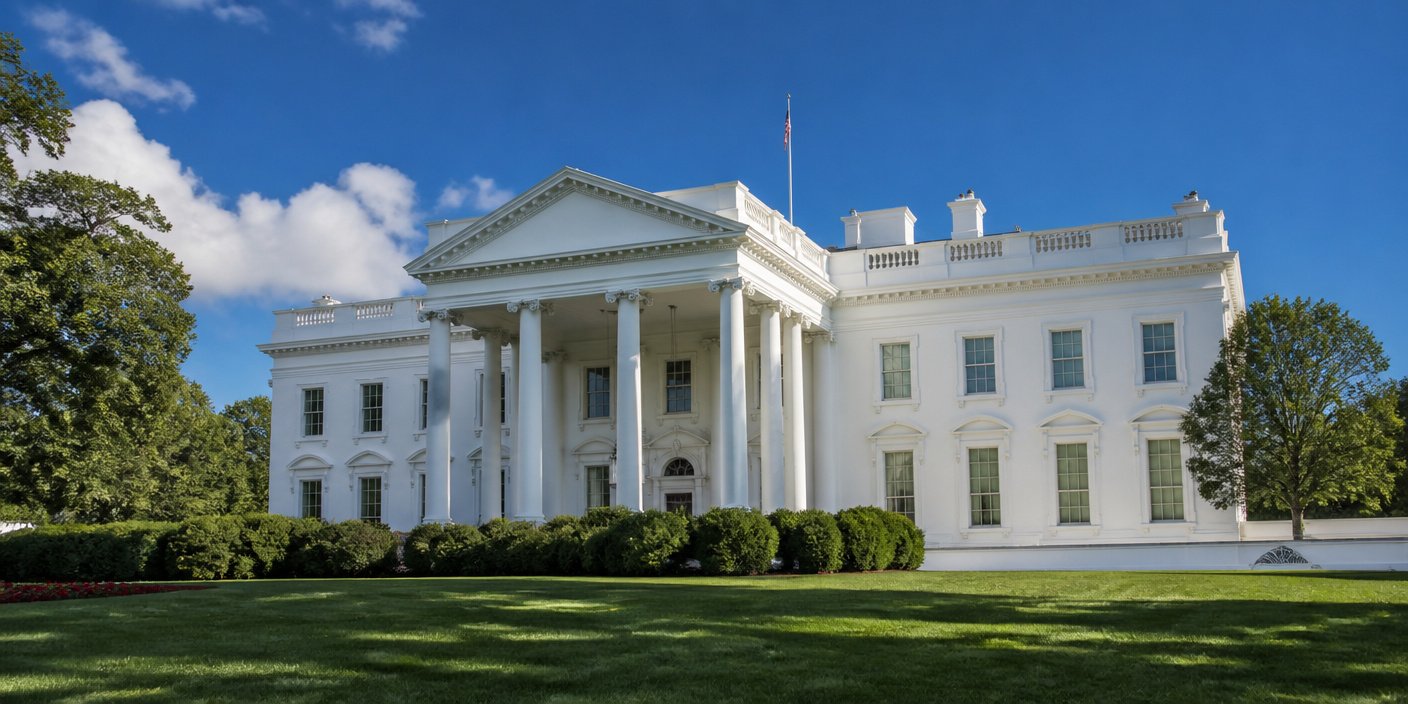
India and the United States have agreed on a new trade framework. This agreement marks a significant step. It aims to lower tariffs significantly. The deal promises a more reciprocal trade relationship. Both nations announced the framework on Saturday, February 7, 2026. This development follows months of intense negotiations. It signals a reset in bilateral economic ties. This news is currently trending globally.
Background to the Trade Framework
President Donald Trump previously imposed tariffs on Indian goods. These tariffs reached up to 50%. This action was largely in response to India’s continued oil purchases from Russia. The U.S. viewed this as problematic. India’s reliance on Russian crude oil was a key sticking point. Trump sought to press New Delhi to reduce these imports. India’s previous tariffs on U.S. goods also created friction. The new framework aims to resolve these disputes. It seeks to balance trade interests between the two nations.
Key Terms of the Interim Agreement
The United States will now apply an 18% reciprocal tariff rate on Indian goods. This is a substantial reduction from 50%. India will eliminate or reduce tariffs. This applies to all U.S. industrial goods. It also covers a wide range of U.S. food and agricultural products. Specific items include dried distillers’ grains and red sorghum for animal feed. Tree nuts, fresh and processed fruits, and soybean oil are also included. Wine and spirits will see reduced tariffs. The U.S. will also remove certain tariffs. These cover sectors like textiles and apparel. Leather, footwear, and plastic goods will benefit. Organic chemicals and artisanal products are also covered. Further tariff reductions are possible. This depends on the successful conclusion of the interim deal. Pharmaceutical tariffs may see zero duty. Gems, diamonds, and aircraft parts could also be tariff-free. India has agreed to stop or reduce its purchases of Russian oil. This was a major condition for the U.S. tariff reduction. Both countries described the agreement as “reciprocal and mutually beneficial.” This is important global news.
Economic Implications and Opportunities
This interim agreement opens new doors. It offers Indian exporters greater market access. Sectors like textiles, apparel, and leather are poised for growth. The reduced U.S. tariffs make Indian products more competitive. This could boost India’s labor-intensive industries. It is also expected to benefit MSMEs, farmers, and fishermen. The deal could create numerous job opportunities. It is seen as a positive development for India’s economy. The agreement also opens a large market for American goods in India. U.S. agricultural products will see easier entry. This includes items like tree nuts and fruits. Indian consumers may see lower prices for some imported goods.
Opposition Voices and Concerns
Not everyone views the deal favorably. Some Indian opposition parties have criticized the agreement. They claim it favors Washington. Concerns were raised about potential impacts on Indian farmers. Critics argue that India opened its agricultural market too widely. They believe this may harm domestic producers. Some opposition leaders called the deal a “surrender.” They questioned the transparency of the negotiations. The government insists the deal protects farmers’ interests. It highlights protected segments like dairy and grains. However, debates continue about the long-term effects.
Path to Broader Trade Deal
This framework is an interim step. It reaffirms commitment to broader trade talks. Both nations aim to finalize a comprehensive Bilateral Trade Agreement (BTA). Negotiations for a full BTA were launched in February 2025. The current agreement is seen as a stepping stone. It builds trust and momentum for future discussions. The goal is to foster even greater market access. Supply chain resilience is also a key focus. This evolving partnership is a major global trend.
Conclusion
The India-U.S. interim trade agreement represents a significant shift. It de-escalates trade tensions. It offers tangible tariff reductions. The deal is driven by mutual economic interests. It also reflects evolving geopolitical realities. While details are still being finalized, the framework sets a positive tone. It paves the way for deeper economic cooperation. This news is critical for understanding current global trade dynamics.