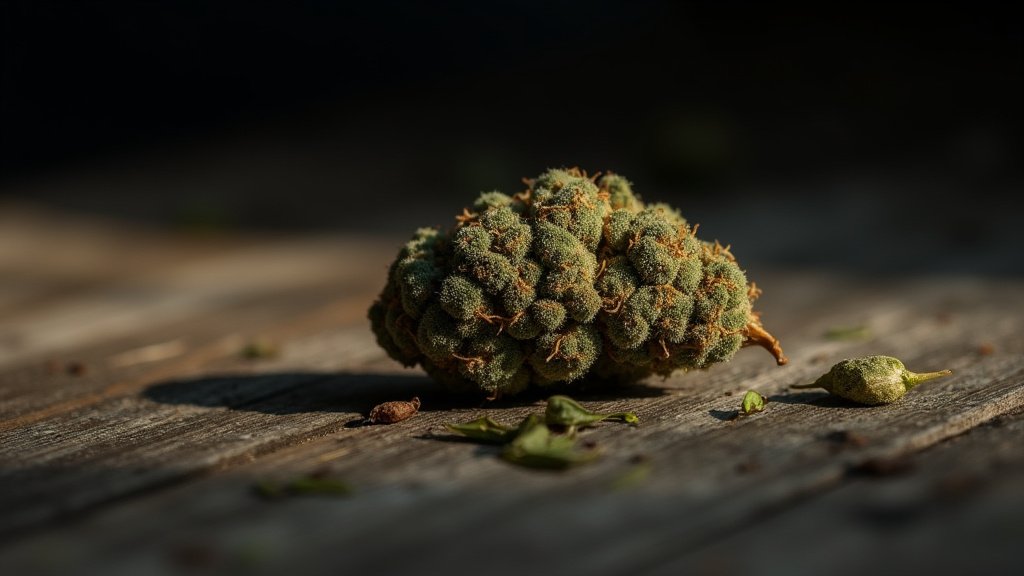
The dynamic landscape of Cannabis Legalization Trends is profoundly altering who uses cannabis and how. Recent studies highlight a notable increase in adult cannabis use, particularly among individuals who previously consumed less. This evolving pattern is becoming increasingly prevalent across the United States as many states embrace cannabis legalization, despite its continued classification as a Schedule I controlled substance at the federal level. Understanding these Cannabis Legalization Trends is vital for policymakers and public health officials.
Shifting User Landscape and Cannabis Legalization Trends
A comprehensive study tracking adult cannabis use from 2016 to 2023 reveals that the widespread adoption of cannabis legalization has significantly boosted the overall proportion of adults engaging with cannabis. The most substantial growth has been observed in demographic groups with historically lower consumption rates. These include older adults, women, white individuals, and those holding college degrees. For instance, adults aged 60 and older experienced a notable uptick in use, with their likelihood of consumption rising by 15% to 37% compared to 2016 benchmarks. Similarly, women, white individuals, and college-educated adults have also reported increased usage rates, reflecting broader Cannabis Legalization Trends.
Oregon and Massachusetts Lead Policy Changes in Cannabis Legalization
Data indicates varying cannabis use rates across different states, underscoring the diverse impact of Cannabis Legalization Trends. Oregon, for example, reported a high average cannabis use rate of 22.4%, surpassing many other states. Massachusetts is also at the vanguard of policy advancements, recently approving regulations for social consumption licenses. These licenses will pave the way for marijuana lounges and social consumption sites, positioning Massachusetts as the first state in New England to permit such establishments. These progressive moves are cultivating new environments for adult cannabis use.
Broader Trends and Implications of Cannabis Legalization
The overall prevalence of cannabis use among US adults has been on an upward trajectory for decades. Between 2002 and 2015, past-year nonmedical cannabis use climbed from 10.4% to 13.3%. Concurrently, the perceived risk associated with cannabis use has declined, while the perception of easy access has increased. Research consistently suggests that widespread cannabis legalization is a significant contributor to these escalating usage levels. Studies conducted from 2016 onwards demonstrate a nearly 10% relative increase in cannabis use, a clear indicator of shifting Cannabis Legalization Trends.
Older adults, particularly those aged 65 and above, have witnessed substantial jumps in cannabis use. Current cannabis use for this demographic reached 7% in 2023, a significant rise from 4.8% in 2021, marking a 46% increase in just two years. These increases were especially pronounced among college-educated and higher-income older adults. Older women, in particular, reported steeper rises in consumption, although men continue to use cannabis at higher rates overall. These demographic shifts are a crucial aspect of current Cannabis Legalization Trends.
Public Health Considerations Amidst Shifting Demographics
As cannabis use continues to rise, public health experts emphasize the importance of being aware of potential risks. These include the possibility of dependency, cognitive impairment, and adverse effects on cardiovascular and respiratory systems. The escalating use among historically lower-consumption groups is a focal point for public health strategies. Effective public health outreach is paramount, with health education campaigns playing a critical role in enhancing cannabis literacy. As more states navigate the complexities of cannabis legalization, comprehending these evolving patterns is indispensable. This ongoing evolution underscores the necessity for sustained research and adaptive public health strategies to address emerging Cannabis Legalization Trends.
Conclusion on Cannabis Legalization Trends
The ongoing process of cannabis legalization is fundamentally reshaping adult consumption patterns. Cannabis use is expanding into diverse demographics that historically reported lower engagement. States like Oregon and Massachusetts are spearheading these significant policy changes. These evolving Cannabis Legalization Trends highlight the imperative for continuous research and robust public health awareness initiatives. The dynamic landscape demands diligent monitoring and informed policy-making to navigate the future of cannabis use.