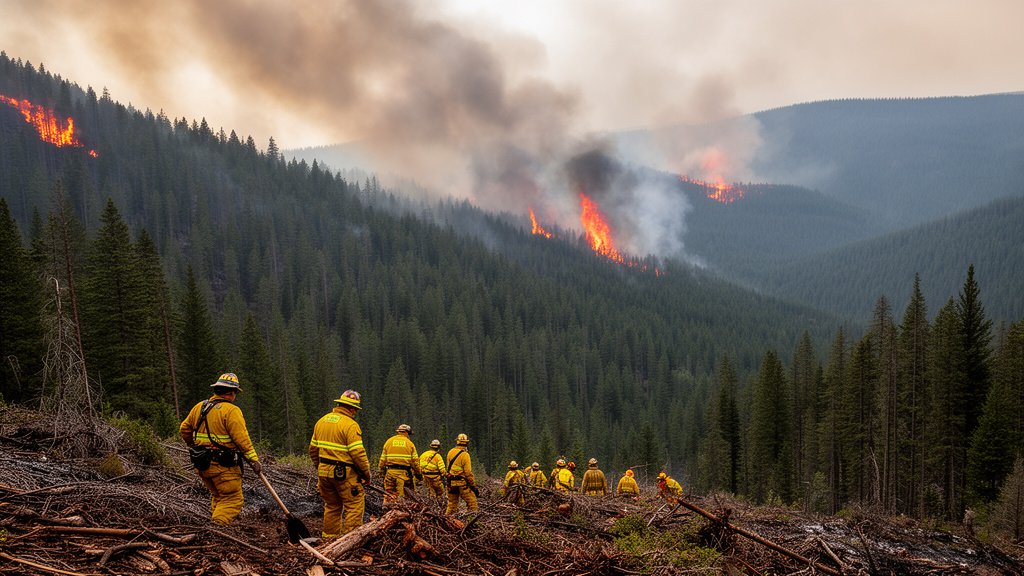
Oregon wildfire insurance is a growing concern, and lawmakers are considering a new bill that could significantly alter how insurers approach homeowner coverage. This legislation aims to lower homeowner insurance costs by requiring insurers to factor in wildfire prevention efforts when setting rates, providing much-needed relief for residents facing escalating premiums and policy uncertainties. Senator Jeff Golden of Ashland introduced the bill, drawing inspiration from a successful law enacted in Colorado. This development is particularly significant for Oregon.
The Wildfire Insurance Challenge in Oregon
Wildfires present an escalating threat, directly impacting insurance rates. In Oregon, premiums have seen sharp increases, rising by over 27% since 2020. This surge has led to a concerning trend of policy cancellations and non-renewals, which increased by 11% between 2018 and 2023. This pattern is not isolated to Oregon but affects the entire Western United States, driven by rising costs and the significant expenses associated with rebuilding after devastating fires. While Oregon’s insurance market remains competitive, with no insurers exiting the state solely due to wildfire risk, the premium hikes have been substantial, exceeding 50% between 2018 and 2023 – more than double the national average. Addressing the complexities of Oregon wildfire insurance requires innovative solutions like this new bill.
Key Provisions for Oregon Wildfire Insurance
The proposed Oregon bill focuses on creating incentives for homeowners to engage in wildfire prevention. By taking proactive steps to harden their homes and create defensible spaces, homeowners can now expect their efforts to be recognized. The bill mandates that insurers incorporate these mitigation actions into their risk modeling. Insurers rely on sophisticated risk modeling to set premiums, and this legislation requires them to demonstrate that their models account for prevention efforts, such as installing fire-resistant materials and establishing defensible spaces around properties. This is a crucial step in making Oregon wildfire insurance more accessible.
Currently, Oregon law mandates disclosure from insurers regarding how they use prevention data. However, it does not compel them to offer discounts for these efforts. This new bill aims to rectify that by requiring incentives, which can take the form of premium discounts for homeowners who actively mitigate wildfire risk. This directly addresses the need for better Oregon wildfire insurance.
Insurers who utilize risk models must prove that their formulas integrate mitigation work. For those who do not employ such models, the bill stipulates that they must offer a discount when a homeowner can document their mitigation steps. The overarching goal is to reward homeowners for their proactive approach to reducing wildfire risk, making Oregon wildfire insurance more equitable.
Learning from Colorado’s Approach to Wildfire Risk Mitigation
Senator Golden has closely studied Colorado’s successful implementation of House Bill 1182, signed into law by Governor Jared Polis in May 2025. This Colorado law mandates transparency from insurers, requiring them to disclose their wildfire risk models and explain how these models influence premiums. Crucially, the bill also requires insurers to consider mitigation efforts and inform homeowners about available discounts. This initiative in Colorado has served as a valuable blueprint for improving Oregon wildfire insurance accessibility by incentivizing homeowners.
Expert Opinions and Industry Concerns on Oregon Wildfire Insurance
Dave Jones, the former California insurance commissioner, has voiced strong support for the bill, highlighting that insurers often fail to adequately incorporate mitigation efforts into their models, leading to homeowner frustration. This aligns with standards promoted by the Insurance Institute for Business and Home Safety, with which Oregon’s State Fire Marshal collaborates to offer prevention work certificates that can lead to lower rates. This highlights the potential for more favorable Oregon wildfire insurance.
However, the insurance industry has expressed reservations, particularly concerning the amount of discounts and whether they are adequately supported by data. A small discount might not sufficiently incentivize the significant investments homeowners make in wildfire risk mitigation. Samantha Bayer of the Oregon Property Owners Association points to the existing frustration among farmers and ranchers regarding the rising costs of business insurance, underscoring the broad impact of current Oregon wildfire insurance challenges.
Background and Context for Oregon Wildfire Insurance
Oregon has suffered immense losses from wildfires, exceeding $3 billion since 2020 – a staggering four times the total from the preceding four decades. The devastating 2020 Labor Day wildfires served as a stark reminder of the destructive power of these events, exacerbated by climate change which fuels more frequent and severe fires. This escalating risk translates into higher claims and increased financial exposure for insurers, making comprehensive Oregon wildfire insurance a critical issue.
Previous legislative attempts have encountered hurdles. Senator Golden’s prior support for a wildfire risk map faced criticism from some Oregonians. However, Oregon law already prevents the use of state wildfire maps for premium increases. Senate Bill 82, passed in 2023, prohibits using state wildfire maps for cancellations or rate hikes, requiring insurers to provide property-specific reasons for any such actions, which is a foundational element for understanding Oregon wildfire insurance.
Looking Ahead: The Future of Oregon Wildfire Insurance
This new Oregon bill endeavors to strike a crucial balance: encouraging homeowners to implement essential prevention measures while simultaneously pushing insurers to acknowledge and reward these vital efforts. The ultimate objective is to ensure that insurance remains both accessible and affordable for all homeowners. This requires providing clear information and meaningful incentives to encourage risk reduction. The bill mandates that insurers submit their risk models to regulators, with this information kept confidential. Furthermore, insurance companies will be required to notify homeowners of their property’s risk scores and provide an avenue for appeal. This legislative initiative represents a significant stride toward enhancing wildfire resilience throughout Oregon and securing more reliable Oregon wildfire insurance options.