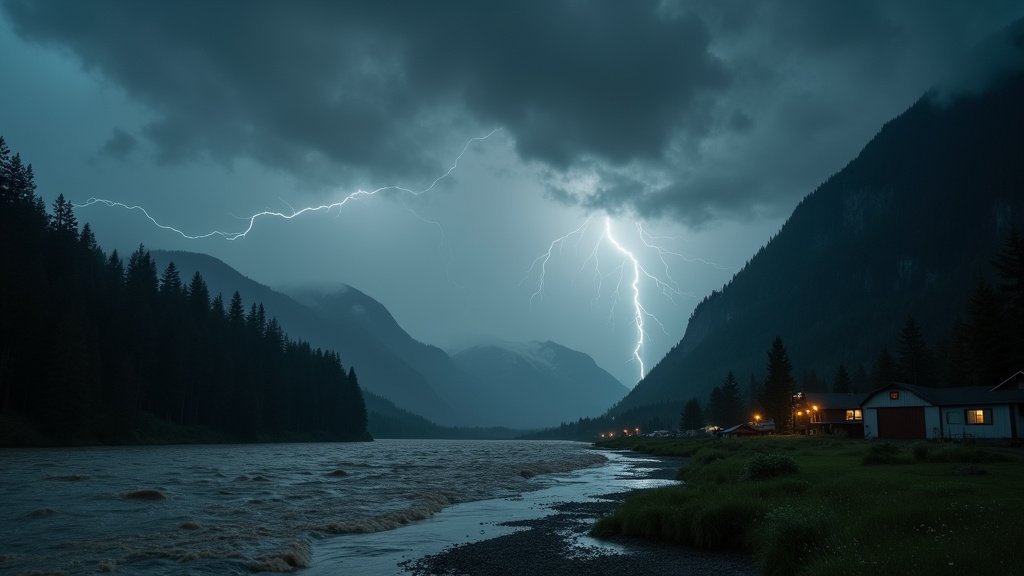
Search interest in flood warnings has dramatically increased. Washington and Oregon are leading this trend. This surge reflects growing public concern over severe weather. Indeed, recent atmospheric river events have caused widespread flooding. These storms bring intense rainfall to the region. Scientists link these events to climate change. Warmer air holds more moisture. This makes storms stronger and wetter. These powerful systems are not new. However, their intensity and frequency are increasing. Consequently, areas like the Pacific Northwest are more vulnerable.
Geographic Vulnerability Amplified
Washington and Oregon share unique geographic features. These include mountains and coastal ranges. Moist air from the Pacific Ocean hits these barriers. The air rises, cools, and releases heavy rain. This process is called orographic lift. It intensifies rainfall over river basins. Low-lying valleys then channel this water. Rivers like the Skagit and Snohomish are affected. They can rise rapidly and flood nearby communities. Furthermore, the ground becomes saturated easily. Back-to-back storms leave little time for drying. This means more rain runs directly into waterways. In fact, soils can no longer absorb much water. This leads to quicker and higher flood peaks. This situation is creating significant news.
Recent Flood Events Unfold
Recent weeks have seen major flooding. Several rivers in northern Oregon and southern Washington overflowed their banks. The Clackamas River near Oregon City experienced record-breaking flooding. Evacuation notices were issued for many areas. This included parts of Clackamas County. Communities like Carver Mobile Home Ranch were hit hard. Some homes were partially underwater. Roads also faced closures due to landslides. The Cowlitz River in Washington also rose significantly. It led to flooding in cities like Kelso. Additionally, the National Weather Service (NWS) issued flood watches and warnings. These advisories covered large areas. They urged residents to stay alert. They also advised preparing for potential evacuations. Therefore, public interest in flood warnings naturally grew.
Climate Change Fuels Intensified Storms
Experts emphasize climate change’s role. It is supercharging atmospheric rivers. Warmer ocean temperatures contribute more moisture. This moisture results in heavier rainfall. It also means warmer rain falling on snowpack. This causes rapid snowmelt. The meltwater adds to river flows. This amplifies flooding and stresses infrastructure. Climate models predict more frequent and powerful storms. As a result, the Pacific Northwest faces growing flood risks. This trend is not isolated. Similar events have impacted the region repeatedly. Over the past decade, some Washington counties faced multiple federal disaster declarations. Thus, the news of flood warnings is trending.
Diverse Public Interests Emerge
While flood warnings draw significant attention, public curiosity remains diverse. In fact, other trending topics capture public attention. For example, searches for “pantone color of the year” show high interest. This reflects a public interest in design and fashion. It highlights a contrast in public focus. Some people monitor immediate environmental threats. Others explore aesthetic and cultural trends. However, the surge in flood warning searches shows a clear focus on safety and preparedness. This growing awareness is critical. It underscores the need for community resilience. It also prompts discussions about long-term recovery. The news cycle reflects these varied public concerns.