The beer industry faced a complex 2025, marked by significant challenges and remarkable innovation. Understanding the key Beer Industry Trends is crucial for navigating this evolving landscape. Several major stories shaped the year’s beer news, highlighting both consolidation and exciting new avenues for growth within the sector.
The Great Contraction: Navigating Beer Industry Trends Amidst Brewery Closures
The craft beer sector saw continued contraction, a significant part of the overall Beer Industry Trends. Brewery closures outnumbered new openings. The Brewers Association tracked 434 closures. Only 268 new breweries opened nationwide. This marked the second consecutive year of this trend, contributing to the broader beer industry contraction. Craft beer volume dropped by an estimated 5% in 2025. Oregon’s vibrant beer scene experienced notable turmoil. Iconic breweries like Rogue Ales & Spirits shuttered operations. Upright Brewing also faced closure. Even established retailers like John’s Marketplace closed a location. This news highlighted industry-wide pressures impacting Beer Industry Trends.
Economic Headwinds and Their Impact on Beer Industry Trends
Rising economic pressures significantly impacted breweries, a key factor in current Beer Industry Trends. Inflation drove up costs for essential ingredients. Packaging materials and labor also became more expensive. Tariffs on aluminum further inflated packaging expenses. These increased operational costs squeezed profit margins for many small producers. Supply chain disruptions persisted, causing delays and price hikes for raw materials like barley and hops. These economic realities are a critical component of the ongoing Beer Industry Trends.
The Non-Alcoholic Boom: A Major Shift in Beer Consumer Trends
Non alcoholic beer sales surged dramatically, representing a substantial evolution in Beer Industry Trends. This segment saw explosive growth, especially in on-premise settings. NA beer volume grew by 33.7% year-over-year. Many consumers sought healthier alternatives, looking for great flavor without the alcohol. Low abv beer options also gained considerable traction. Brewers responded with NA and low-alcohol versions of popular styles like IPAs and stouts. This shift directly reflects changing beer consumer trends.
Moderation and Wellness: Shaping Beer Consumer Trends
Consumers increasingly prioritized health and wellness, directly influencing Beer Industry Trends. Many chose to drink less alcohol overall. They sought more mindful consumption habits. This trend led to a focus on quality over quantity. Consumers favored fewer, but “better” craft beers. Temporary abstinence and limiting occasions to a single beverage category also grew. This shift challenged traditional beer consumption patterns and is a dominant force in current beer consumer trends.
Sustainability Becomes Essential in Beer Industry Trends
Environmental responsibility moved to the forefront for breweries, becoming a non-negotiable element of Beer Industry Trends. Sustainable brewing practices became a necessity, not an option. Breweries focused on reducing their carbon footprint. Key areas included water conservation and energy efficiency. Responsible ingredient sourcing and waste reduction efforts were also common. Packaging innovations, like compostable labels and recycled materials, gained popularity, underscoring the importance of sustainable brewing within broader Beer Industry Trends.
Innovation Flourishes: Hybrid Drinks and New Flavors in Beer Industry Trends
Breweries continued to innovate beyond traditional beer styles, a constant driver of Beer Industry Trends. Novel ingredients and brewing techniques pushed creative boundaries. The market saw a rise in hybrid beverages. These included hard seltzers, hop waters, and beer cocktails. Functional beers, infused with CBD or vitamins, also emerged. Brewers experimented with new hop products and processes for unique flavor profiles, showcasing the dynamic nature of Beer Industry Trends.
Hemp Regulation Tightens Dramatically, Affecting Beer Industry Trends
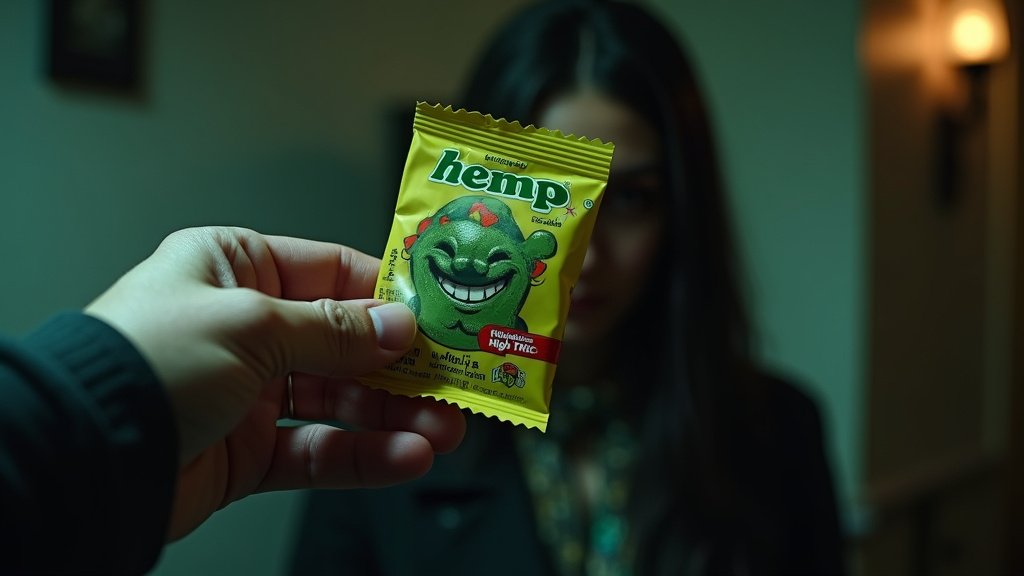
Federal legislation introduced significant changes to hemp regulations, a critical factor in new Beer Industry Trends. New rules capped THC levels in finished hemp products at a strict 0.4 mg. This was a drastic reduction from many products on the market. The legislation also banned synthetic cannabinoids. These changes impacted brewers experimenting with hemp ingredients, a niche within the broader market for functional beverages and a point of interest for hemp regulation impacting future Beer Industry Trends. They signaled a move towards tighter control over these products. State legislatures also introduced various restrictions and caps on hemp beverages, further complicating hemp regulation for those looking to innovate within these Beer Industry Trends.
Looking Ahead: The Future of Beer Industry Trends
Despite the challenges of 2025, the beer industry demonstrated resilience. Breweries adapted by focusing on consumer desires for health, innovation, and sustainability, key drivers in evolving Beer Industry Trends. The economic headwinds and regulatory shifts presented ongoing hurdles, contributing to brewery closures 2025 and the overall beer industry contraction. However, the continued evolution of beer styles and consumer engagement strategies offered pathways for growth. The news from 2025 underscored a dynamic and adaptive industry, where understanding these shifting Beer Industry Trends is paramount for success.