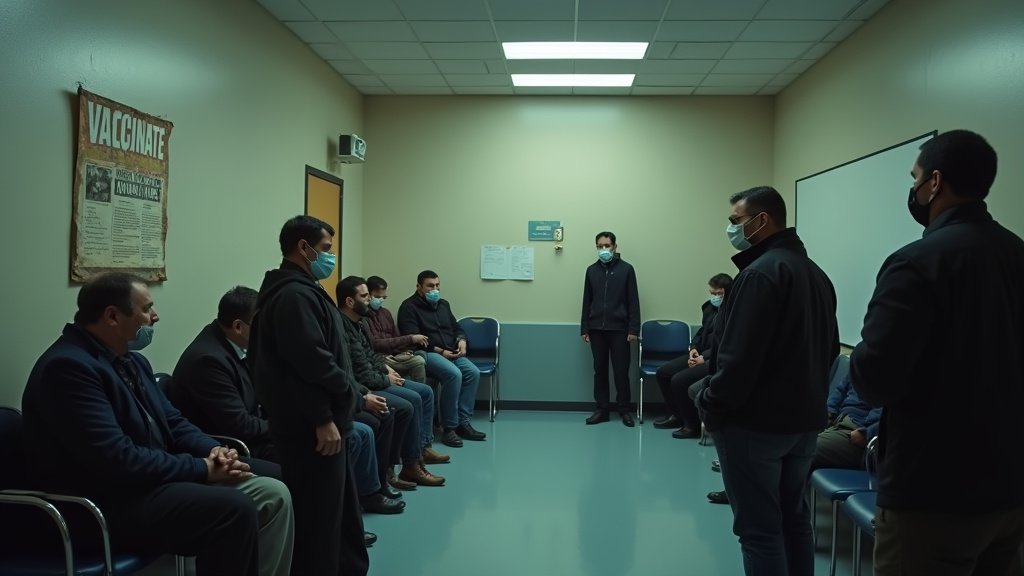
Headline: Oregon Whooping Cough Cases Explode, Shattering 75-Year Record Amidst Declining Vaccinations
Oregon is currently facing a severe Oregon Whooping Cough surge, with cases reaching unprecedented levels and shattering a 75-year record. This alarming rise in Oregon Whooping Cough infections signifies a significant public health crisis for the state. Oregon has now surpassed its previous record for the highest number of cases, which was set way back in 1950, causing considerable alarm among health officials regarding the widespread Oregon Whooping Cough situation.
Oregon Whooping Cough: A Record-Breaking Year for Pertussis
As of December 10, 2025, Oregon has recorded an astounding 1,475 cases of pertussis, commonly known as Oregon Whooping Cough. This number significantly surpasses the previous annual high of 1,420 cases recorded in 1950. For context, Oregon saw 1,252 cases in 2024. The current Oregon Whooping Cough outbreak began in the spring of 2024, and unfortunately, many other U.S. states are reporting similar spikes. This trend serves as a stark reminder of how rapidly this dangerous bacterial infection spread can occur, exacerbating the Oregon Whooping Cough crisis.
Infants Face the Highest Risk of Oregon Whooping Cough
Whooping cough, or pertussis, poses the greatest danger to infants. Babies are particularly vulnerable to severe illness, and consequently, face a higher risk of hospitalization and death from Oregon Whooping Cough. This year alone, 87 infants under 12 months old have contracted pertussis. Of these, 22 required hospitalization, and tragically, one infant has died from the illness in 2025. Since 2003, a total of eight Oregonians have died from pertussis, with five of those being infants younger than four months old. Adults have also succumbed to the disease, with two adult deaths reported in 2024 due to the escalating Oregon Whooping Cough epidemic.
Factors Driving the Oregon Whooping Cough Resurgence
Several interconnected factors are contributing to this alarming rise in Oregon Whooping Cough cases. Declining vaccination rates are a primary and significant concern. Furthermore, immunity derived from vaccines can wane over time, leaving teenagers and adults susceptible to Oregon Whooping Cough. The COVID-19 pandemic also played a role; widespread masking and social distancing measures temporarily reduced cases in 2021. Now, as pre-pandemic behaviors return, cases of Oregon Whooping Cough are skyrocketing. Some experts also point to potential evolution within the bacteria itself and natural disease cycles as contributing pertussis resurgence factors to the Oregon Whooping Cough problem.
Vaccination: The Best Defense Against Oregon Whooping Cough
Health officials universally stress that vaccination remains the most effective defense against Oregon Whooping Cough. The Tdap vaccine, which protects against tetanus, diphtheria, and pertussis, is crucial. The Oregon Health Authority (OHA) strongly urges vaccinations for all age groups. Pregnant individuals are especially encouraged to get vaccinated, as the Tdap vaccine is recommended by the American Academy of Pediatrics during the third trimester. This provides essential antibodies to newborns, offering protection until they are old enough to be vaccinated themselves at two months old. Maternal vaccination is therefore vital in preventing infant pertussis risk from Oregon Whooping Cough.
Declining Vaccination Rates and Oregon Whooping Cough
Unfortunately, maternal Tdap vaccination rates have seen a concerning decline. In 2024, only 69% of pregnant people received the vaccine, a decrease from 72% in 2020. These rates vary dramatically by county, with some rural areas reporting rates as low as 17%. This downward trend is dangerous and directly contributes to the increase in Oregon Whooping Cough cases. Overall childhood DTaP vaccination rates have also decreased; in 2019, 81.5% of Oregon 2-year-olds were up to date on DTaP, but this figure dropped to 78.6% by 2023. Even minor declines in vaccination coverage can weaken herd immunity, making communities more vulnerable to Oregon Whooping Cough.
Expert Concerns and Calls to Action on Oregon Whooping Cough
Dr. Howard Chiou, OHA’s medical director, has expressed deep worry: “I worry people may not fully appreciate the risk pertussis poses.” He reiterated the critical importance of maternal vaccination to combat Oregon Whooping Cough. Dr. Patrick Luedtke, Lane County’s public health officer, echoed these concerns, stating, “We’re not adequately protected via vaccines.” He also noted a rise in vaccine hesitancy, further complicating efforts to curb the Oregon Whooping Cough epidemic. Health officials are urgently calling on everyone to get vaccinated and to practice good respiratory hygiene, such as washing hands and covering coughs. The escalating Oregon Whooping Cough situation highlights a broader national concern, underscoring the need for renewed vaccination efforts, especially to protect infants from this serious threat.
The History of Pertussis in Oregon and Oregon Whooping Cough
Pertussis has a long and impactful history in Oregon. The state recorded 1,420 cases in 1950, which stood as the previous record before the current surge in Oregon Whooping Cough. Before the advent of vaccines, pertussis was a widespread and deadly disease. The development of the DTP vaccine in the 1940s dramatically reduced cases of Oregon Whooping Cough. However, immunity can fade over time, necessitating booster shots for sustained protection. Outbreaks can occur cyclically, and the current surge in Oregon Whooping Cough serves as a critical reminder that constant vigilance and robust vaccination programs are essential to prevent a public health crisis Oregon.