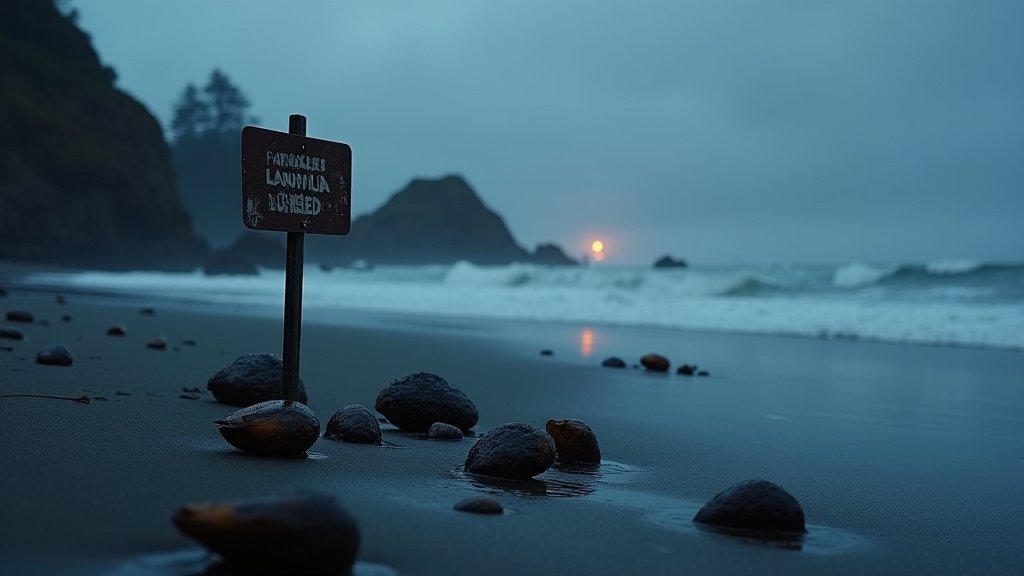
Mussel harvesting has been suspended along a significant stretch of the Oregon South Coast, from Cape Blanco to the California border, following the detection of elevated levels of paralytic shellfish toxin (PST), a potent marine biotoxin. This critical development impacts recreational and commercial activities, with razor clam harvesting also closed in the same area due to high concentrations of domoic acid. The news comes as state agencies continue their vigilant monitoring of Oregon coastal advisories and waters to ensure public safety and the health of marine life along the Oregon South Coast.
Understanding the Biotoxin Threat on the Oregon South Coast
The closures are a direct response to the presence of harmful algal blooms (HABs) that produce dangerous shellfish biotoxins. Paralytic shellfish poisoning (PSP) is caused by saxitoxins produced by certain dinoflagellates, while domoic acid is produced by diatoms. These toxins, though not harmful to the shellfish themselves, can accumulate in their flesh and pose serious health risks to humans who consume contaminated seafood. Symptoms of PST can range from tingling of the mouth and extremities to paralysis and respiratory failure, while domoic acid poisoning can lead to gastrointestinal distress and neurological issues, including memory loss. The Oregon Department of Agriculture (ODA) and the Oregon Department of Fish and Wildlife (ODFW) routinely sample shellfish populations to detect these toxins, closing harvesting areas when levels exceed established alert thresholds: 20 parts per million (ppm) for domoic acid and 80 micrograms per 100 grams for PST. This is a critical concern for the Oregon South Coast.
Specifics of Current Oregon South Coast Closures
As of the latest advisories, mussel harvesting is completely closed from Cape Blanco south to the California border due to PST. However, mussel harvesting is still permitted north of Cape Blanco, extending to the Washington border. Similarly, razor clam closures are in effect for razor clam harvesting from Cape Blanco to the California border because of elevated domoic acid levels. In contrast, razor clam harvesting remains open north of Cape Blanco.
For those seeking other coastal delicacies, recreational bay clam and crab harvesting are open along the entire Oregon coast, from the Washington border to the California border. Coastal scallops are also not impacted by these specific biotoxin closures, provided only the adductor muscle is consumed. However, eating whole scallops is not recommended, as toxins can accumulate elsewhere in the mollusk. Commercial shellfish products currently reaching the market are deemed safe following rigorous testing. This news significantly affects the leisure options for many in Oregon, particularly on the Oregon South Coast.
Monitoring, Testing, and Reopening Protocols for Oregon South Coast Shellfish
The ODA is committed to ongoing surveillance of Oregon’s marine waters. Weekly testing for shellfish biotoxins is conducted, with the frequency increasing during warmer months. The process for reopening a closed area is stringent: two consecutive weekly tests must confirm that toxin levels have fallen below the established closure limits before harvesting can resume. This methodical approach ensures that safety remains the top priority before recreational and commercial activities can recommence on the Oregon South Coast. Information on current closures and openings is available via the ODA’s shellfish biotoxin hotline at 1-800-448-2474 or through the ODA’s recreational shellfish biotoxin closures webpage.
Broader Implications for Oregon’s Coastal Life and the Oregon South Coast
Harmful algal blooms and the resulting shellfish closures are a recurring challenge along the Pacific Northwest coast, impacting areas like the Oregon South Coast. Scientists suggest that climate change may be contributing to an increase in the frequency, duration, and toxicity of these blooms. These events not only pose a direct risk to public health but also have significant economic and social impacts on coastal communities that rely on shellfish harvesting for their livelihood and for the leisure activities enjoyed by residents and visitors alike. The unpredictable nature of these blooms underscores the importance of staying informed and adhering to official advisories to safeguard health and preserve the delicate balance of Oregon’s marine ecosystem. This ongoing situation is a significant piece of news for anyone connected to Oregon’s coastal life, especially the Oregon South Coast.