The National Oceanic and Atmospheric Administration (NOAA) has issued its critical Spring 2026 Climate Outlook, signaling an intensified period of environmental vulnerability across the United States. Forecasters from the Climate Prediction Center (CPC) are warning that a combination of stubborn, pre-existing drought and a significant lack of seasonal snowpack is setting the stage for an elevated, potentially volatile, wildfire season across the American West, the Plains, and parts of the South. As the nation transitions through a complex climatic phase, federal authorities are urging immediate preparation, as the meteorological data points to a warm, dry spring that threatens to strain both water resources and emergency response infrastructure.
Key Highlights
- Elevated Risk: Persistent drought is forecast to worsen or develop in the West and south-central Plains, directly correlating with a higher wildfire risk for the coming months.
- Temperature Trends: Above-normal temperatures are favored for the majority of the U.S., with the highest confidence centered over the Interior West, including Utah, Colorado, and Nevada.
- Snowpack Deficiency: Record low snowpack across the mountainous West removes a critical natural water buffer, accelerating the drying of soil and vegetation.
- ENSO Transition: The climate backdrop is influenced by a fading La Niña, shifting toward ENSO-neutral conditions, though the delayed atmospheric response leaves much of the country vulnerable to dry-season impacts.
The Anatomy of the 2026 Spring Climate Outlook
The 2026 Spring Climate Outlook, released in late March, is not merely a collection of temperature charts; it is a vital diagnostic tool used by federal, state, and local agencies to manage the nation’s resources. At the core of this year’s forecast is a troubling reality: the “dry-on-dry” phenomenon. Many regions are entering the spring season with already depleted soil moisture following a winter that failed to deliver the expected precipitation in key water-shedding areas. When drought persists over several seasons, the ecosystem loses its natural resiliency.
The Mechanics of Regional Drying
According to data from the U.S. Drought Monitor, approximately 55% of the continental United States was experiencing moderate to exceptional drought conditions as of mid-March 2026. This is not a localized issue. The forecast indicates that the Great Plains and the Lower Mississippi Valley are particularly susceptible to worsening conditions. The hydrological drought—a lack of water in the soil—means that as temperatures rise in April and May, the ground will bake rather than retain moisture, creating a feedback loop of extreme heat and increased fire susceptibility.
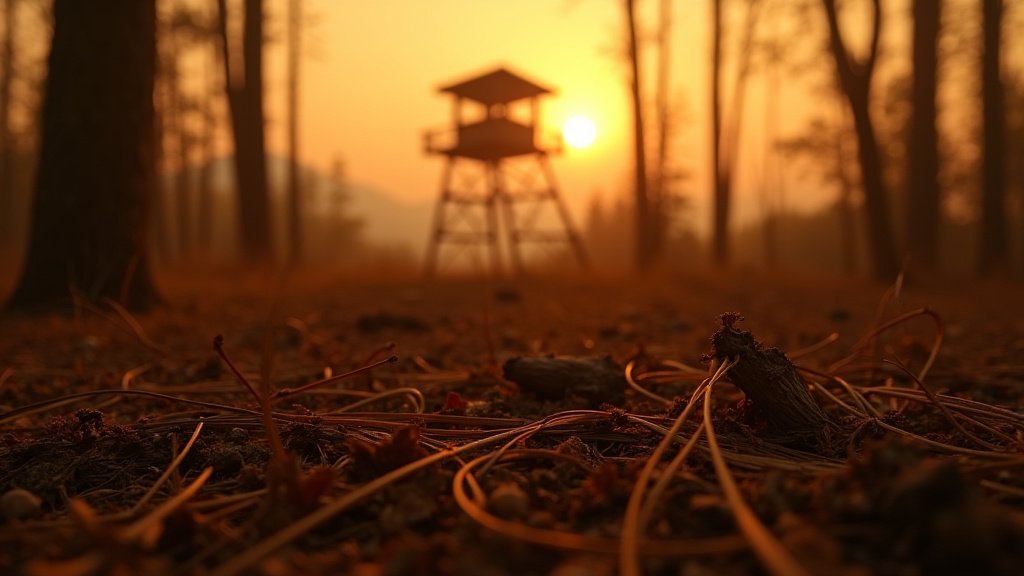
For the Western United States, the situation is compounded by a record-low snowpack. In a typical year, melting snowpack provides a slow-release water source that keeps forests and meadows hydrated well into the summer. In 2026, the lack of accumulation means that the “sponge” of the mountains will be empty prematurely, forcing earlier onset of fire season and creating conditions where even minor spark events could escalate into significant blaze incidents.
Understanding the Wildfire-Drought Nexus
The correlation between drought and wildfire intensity is well-established, but the 2026 outlook introduces new variables that require heightened public awareness. Wildfire risk is not just about the weather; it is about fuel loads. When soil moisture is low, vegetation becomes brittle and highly flammable.
Preparing for an Early Fire Season
Federal agencies, including the National Interagency Fire Center (NIFC), have already noted increased fire activity in the Southern and Rocky Mountain areas early in the spring. The transition of the El Niño-Southern Oscillation (ENSO) is a major player here. While the transition from La Niña to neutral conditions usually suggests a stabilization of global patterns, the local impacts of the previous months’ dryness remain the dominant force. For residents in high-risk zones, this means the traditional “safe” windows for fire prevention—such as prescribed burning—are closing faster than usual, and the window for community wildfire mitigation is now.
The Economic and Infrastructural Implications
The economic fallout of such climate forecasts is profound. Agriculture, the primary backbone of the Great Plains, faces significant volatility. Crops that require consistent spring moisture may fail, leading to increased insurance premiums and supply chain disruptions. Furthermore, municipal water departments are already engaging in contingency planning, looking at aquifer depletion rates and potential water restrictions that may be necessary if the summer months prove as dry as the spring models predict.
Future Predictions and Long-Term Adaptation
Beyond the immediate spring outlook, climatologists are observing the evolution of ENSO into a potential El Niño event by late 2026. This transition is critical because it fundamentally alters global weather patterns, typically bringing different precipitation regimes to the U.S. However, relying on a potential shift in the summer is dangerous for short-term planning.
Moving Toward a ‘Weather-Ready’ Framework
NOAA’s emphasis on sub-seasonal to seasonal analysis is a response to the need for actionable intelligence. Communities are being urged to adopt the “Weather-Ready Nation” framework, which moves beyond simple weather reporting to integrated preparedness. This includes home-hardening techniques for wildfire-prone areas, diversifying crop selection for farmers, and investing in drought-resistant infrastructure for cities.
The Role of Data in Mitigation
Advanced modeling, such as the use of the Relative Oceanic Niño Index (RONI), is helping meteorologists provide more granular and accurate forecasts than ever before. While the nature of the threat is changing—becoming more intense and occurring in wider geographies—the tools available to decision-makers are also sharpening. The challenge, therefore, is not just predicting the climate, but ensuring that public policy and individual behavior keep pace with these data-driven warnings.
FAQ: People Also Ask
1. Why does a dry winter lead to a wildfire risk in the spring?
A dry winter results in minimal snowpack, which is the primary water source for spring and summer. Without this snowmelt to saturate the soil and fill reservoirs, vegetation dries out early, creating a significant amount of ‘fine fuel’—dead grass and brush—that can ignite easily even in mild spring temperatures.
2. Is the current drought situation in the U.S. unprecedented?
While drought is a cyclical occurrence in the U.S., the 2026 outlook highlights a significant scale of impact, with over 55% of the continental U.S. affected. The persistence of these conditions, particularly in the West and Plains, is cause for concern as it limits the ability of the land to recover, leading to long-term hydrological issues.
3. How does the transition from La Niña to ENSO-neutral affect my local weather?
ENSO-neutral conditions typically mean the tropical Pacific is not exerting a strong influence on global weather. For many, this removes a predictable driver of weather, making short-term localized patterns—and therefore short-term weather forecasts—more critical. It essentially puts the local region ‘on its own’ rather than relying on the typical patterns associated with El Niño or La Niña.
4. What should homeowners do to prepare for the wildfire season?
Homeowners in high-risk areas should create ‘defensible space’ around their properties by clearing dry brush, keeping lawns mowed, and ensuring that gutters are free of debris. Additionally, developing an emergency evacuation plan and keeping an ’emergency go-bag’ ready is essential in areas prone to fire outbreaks.